
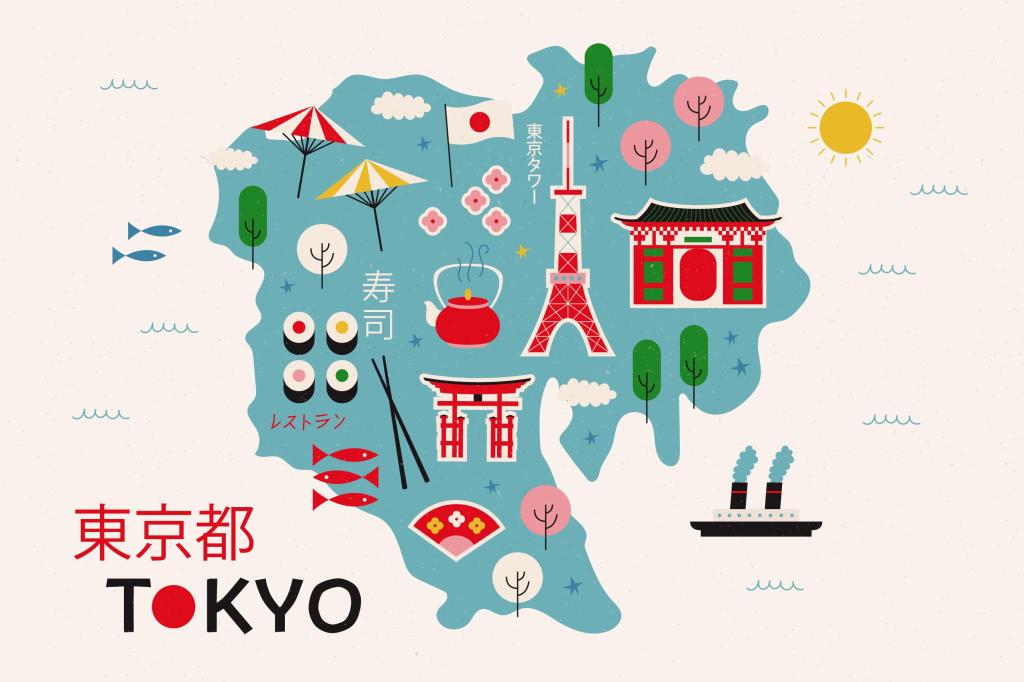
Tokyo is a massive city with a variety of neighborhoods to choose from when planning your stay. Choosing the right area can make or break your experience. In this guide, I’ll cover three popular districts for tourist. Each has its pros and cons, depending on what kind of experience you’re looking for in Tokyo.
1. Shinjuku
Pros of Staying in Shinjuku:
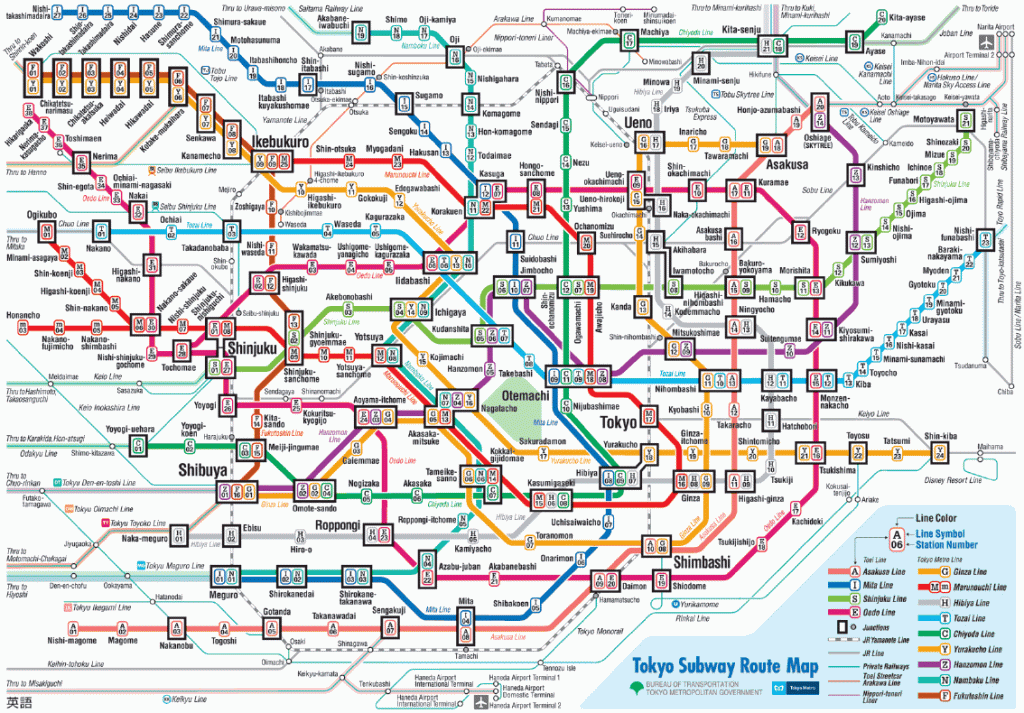
- Major transportation hub: Shinjuku Station is one of the largest and busiest train stations in the world. It provides access to JR lines and subway lines. It also offers buses to places outside of Tokyo, like Kawaguchiko. If you’re planning on exploring other parts of Tokyo or even taking day trips, staying here makes travel incredibly easy.
- Vibrant nightlife: If you want to experience Tokyo’s nightlife, Shinjuku is a great choice. Kabukicho, Tokyo’s red-light district, is filled with bars, nightclubs, and karaoke spots. Golden Gai is another famous nightlife area known for its tiny, unique bars.
- Shopping and dining: From high-end department stores to affordable street food, Shinjuku has something for everyone. You’ll find shopping centers like Isetan and Takashimaya, while streets are lined with small restaurants serving everything from sushi to ramen.
Cons of Staying in Shinjuku:
- Crowded: Shinjuku is constantly busy. If you prefer a more relaxed atmosphere, the crowds can feel overwhelming, especially around Shinjuku Station. Navigating the station can be confusing for first-timers.
- Expensive: While Shinjuku has budget options, many hotels and restaurants in the area can be on the pricier side compared to other areas in Tokyo.
- Nightlife noise: Depending on where you stay, the nightlife can be noisy. If you’re close to Kabukicho or Golden Gai, be prepared for late-night activity and possible noise from nearby bars and clubs.
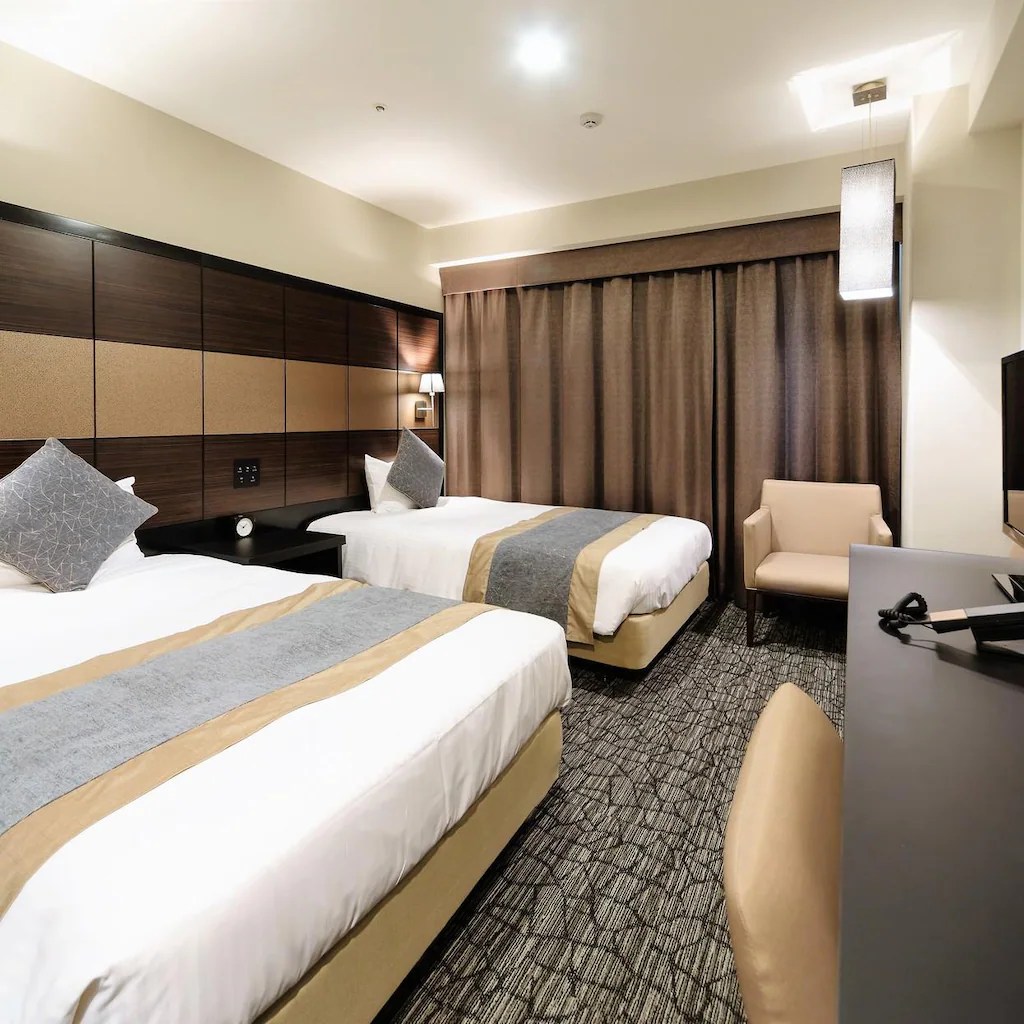
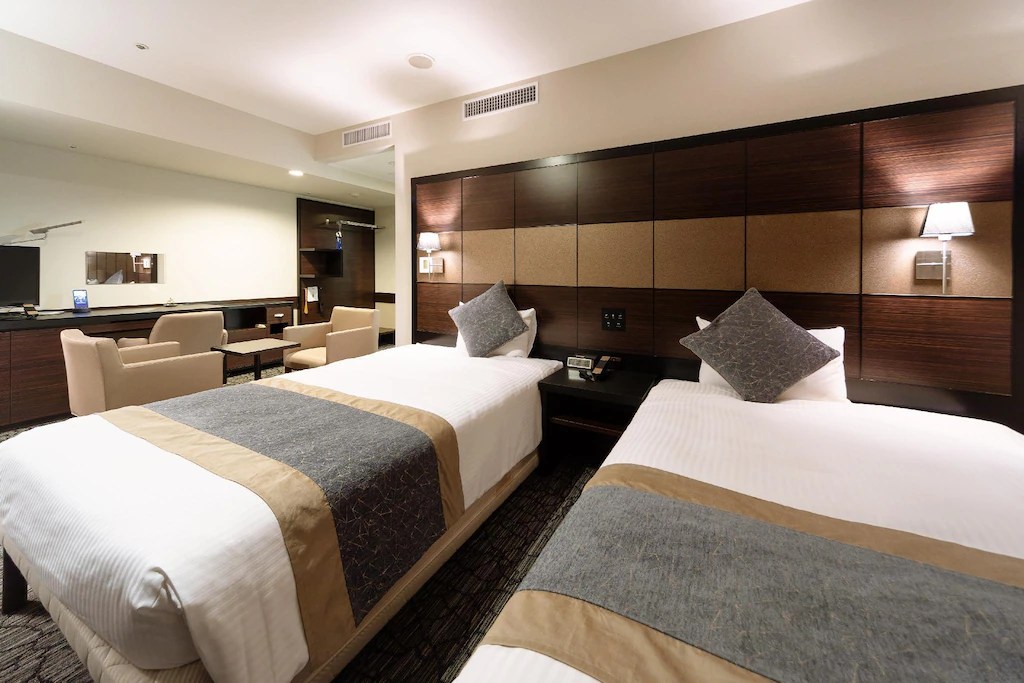
Top 5 High End Hotels in Shinjuku
1. JR Kyushu Hotel Blossom
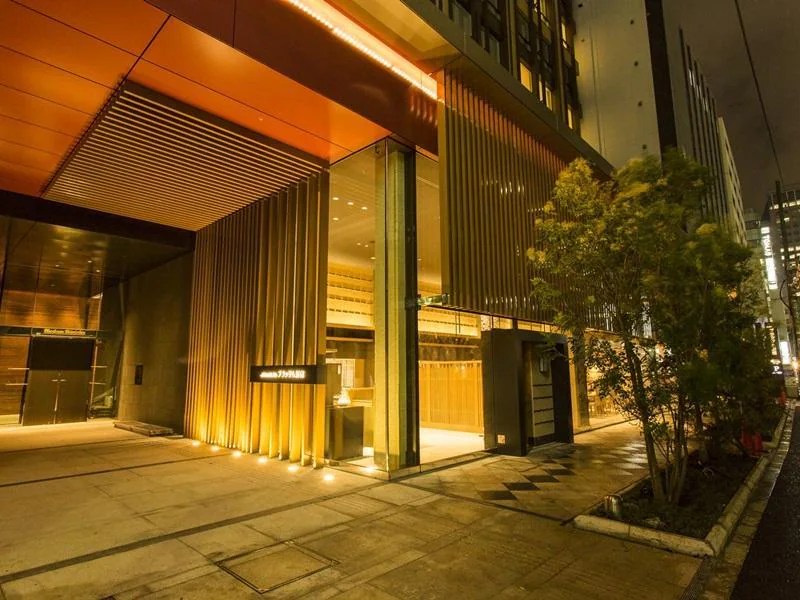
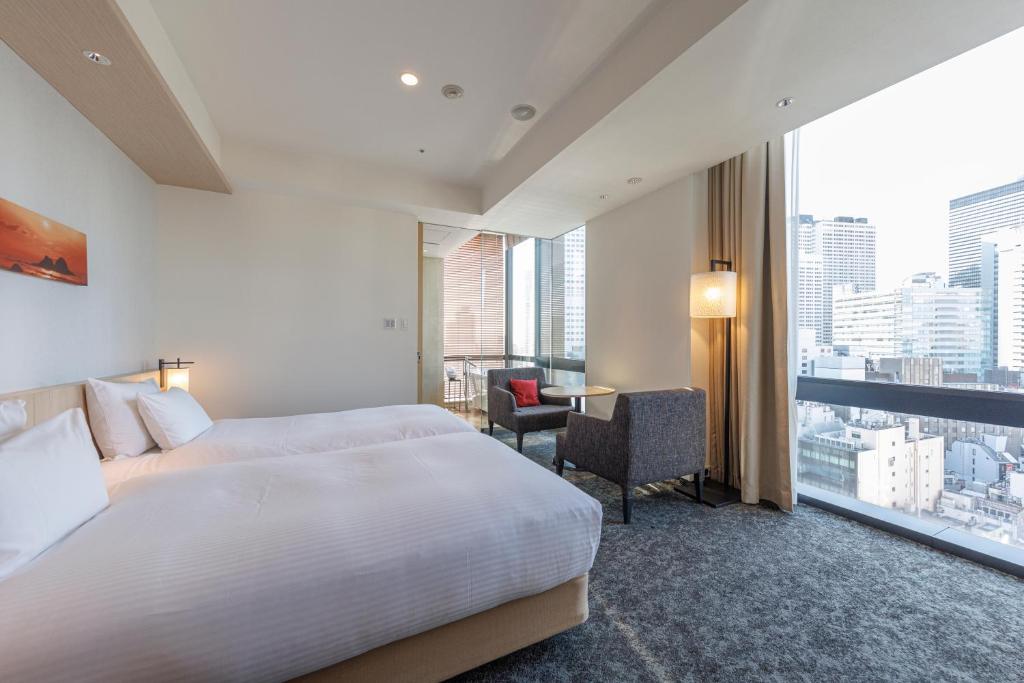
2. Keio Plaza Hotel
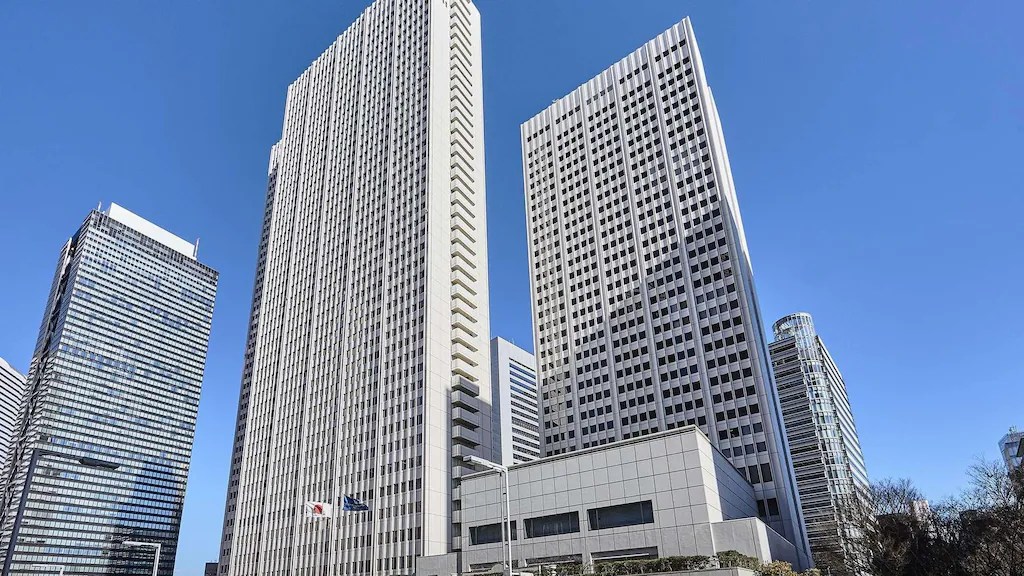
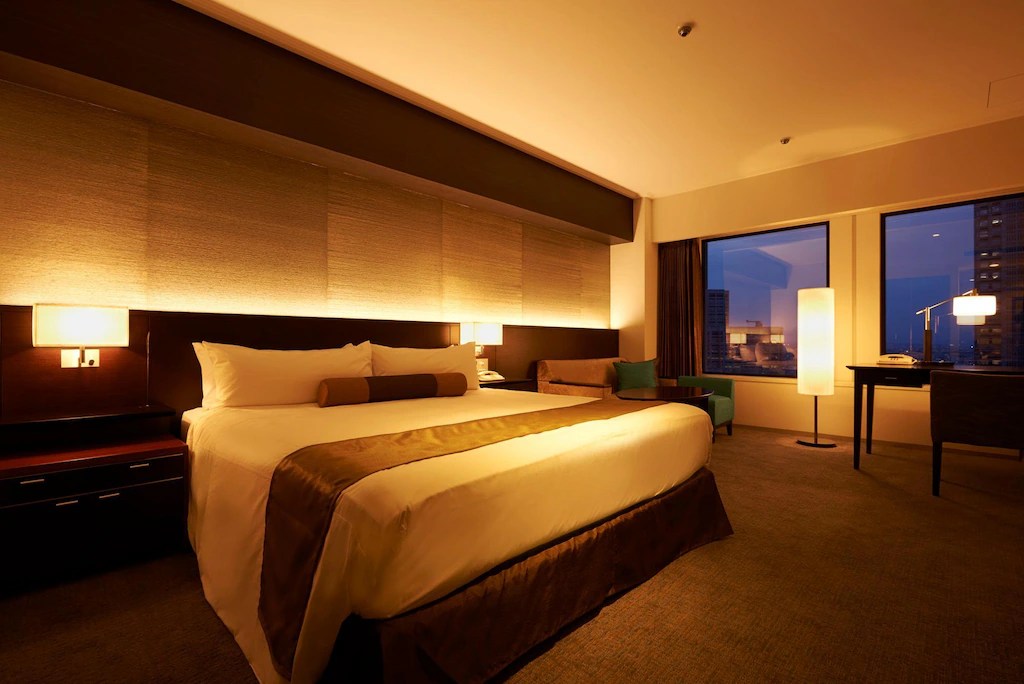
3. Mitsui Garden Hotel Jingugaien Tokyo Premier
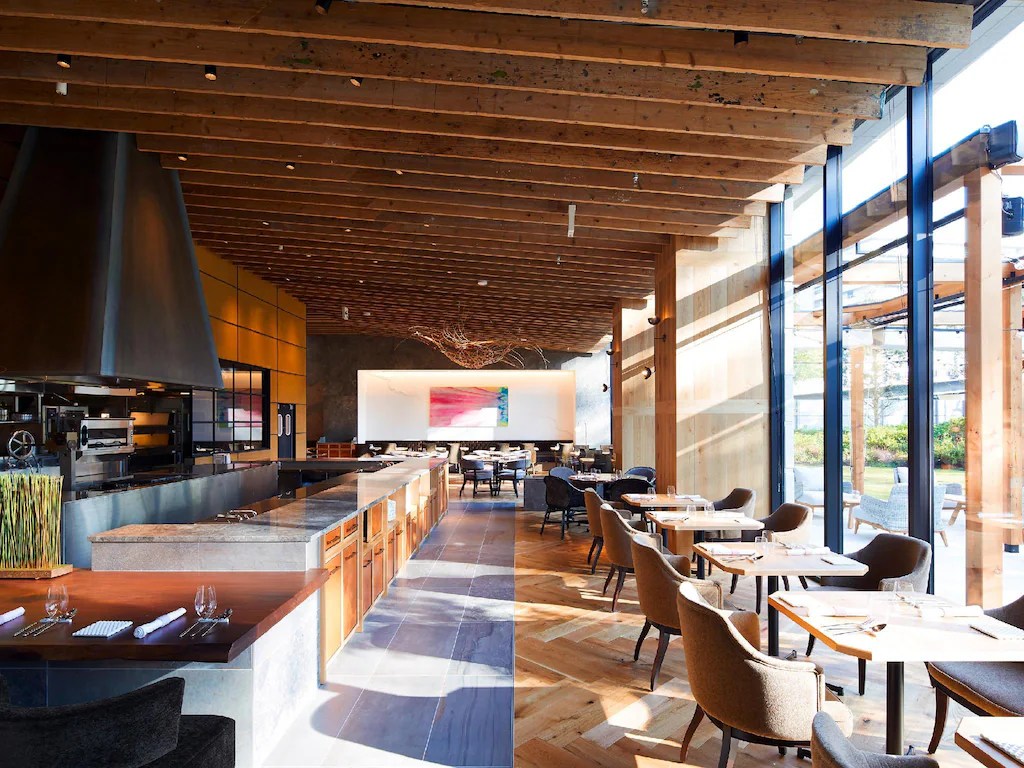
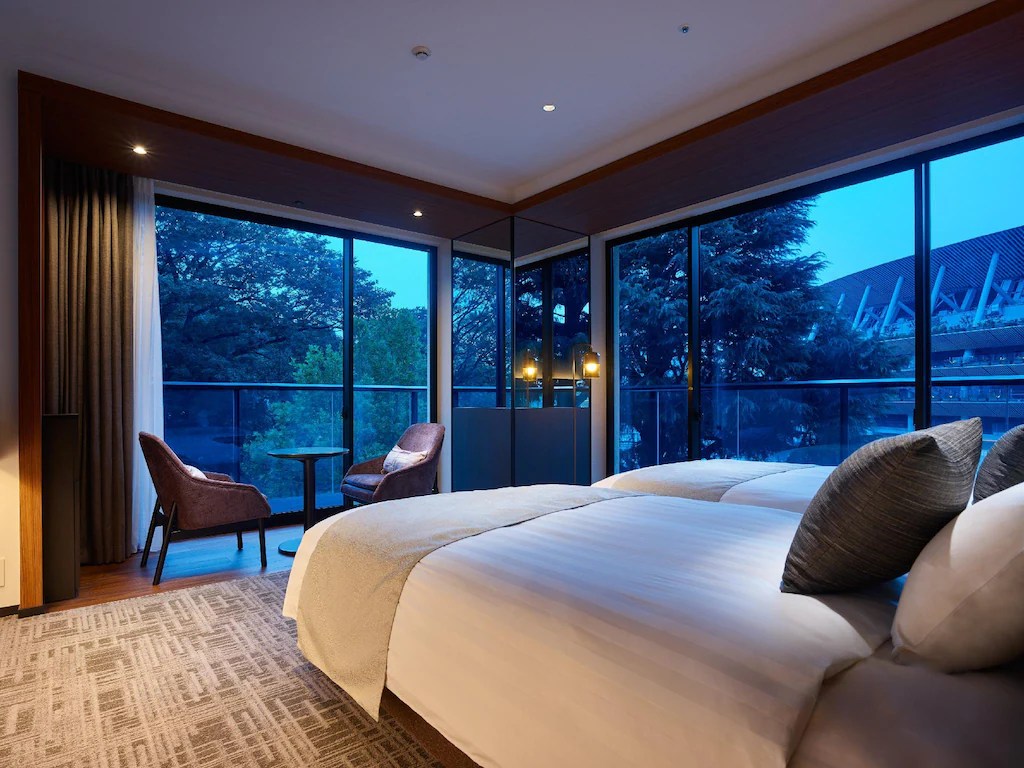
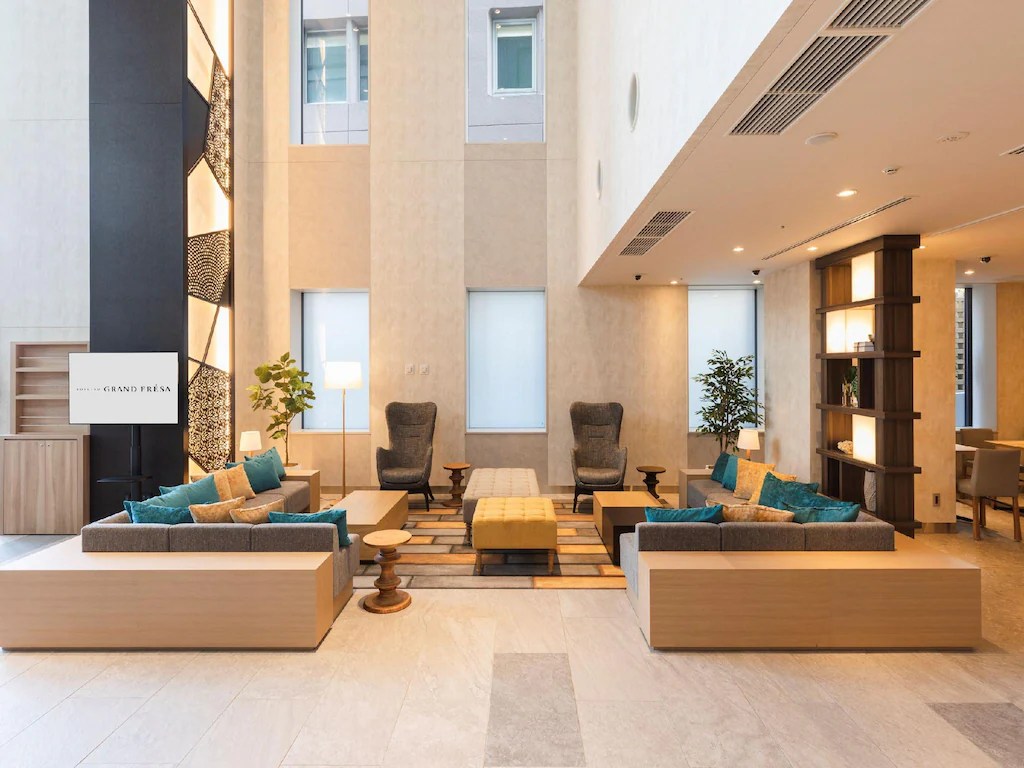
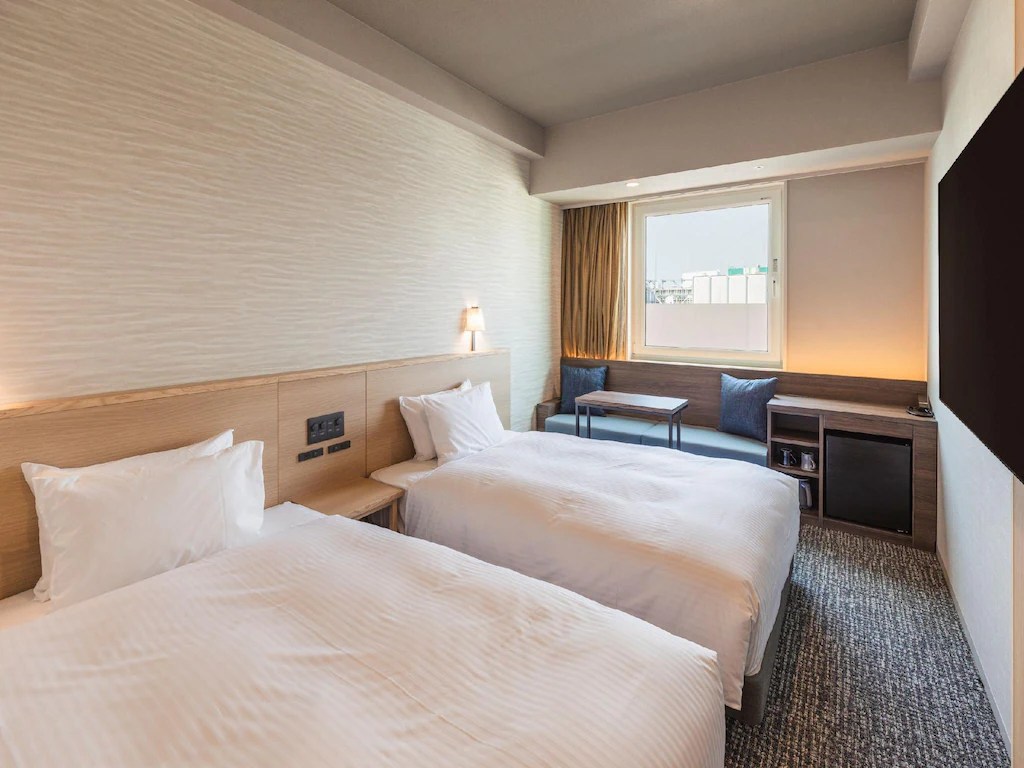
4. Sotetsu Grand Fresa Takadanobaba
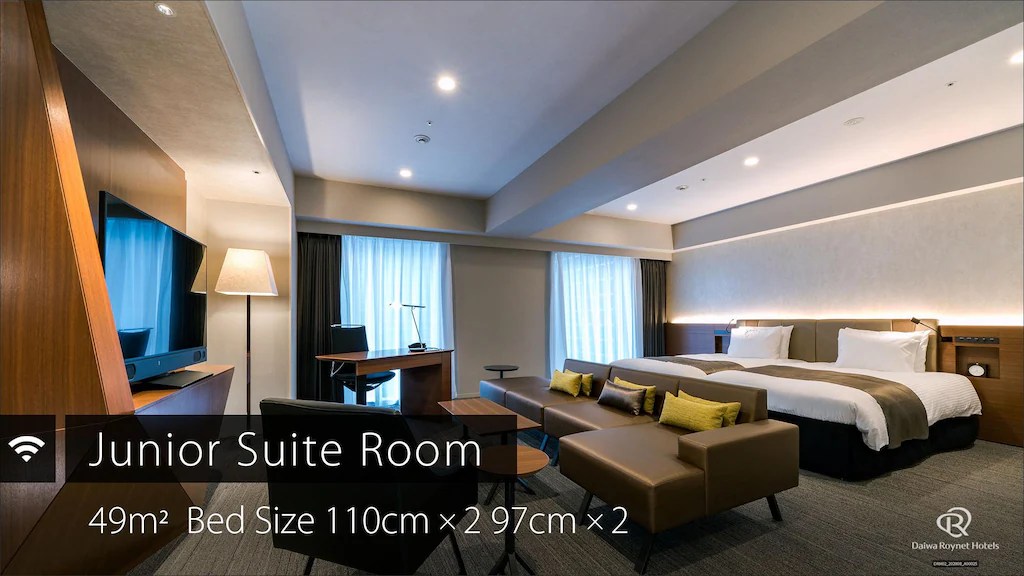
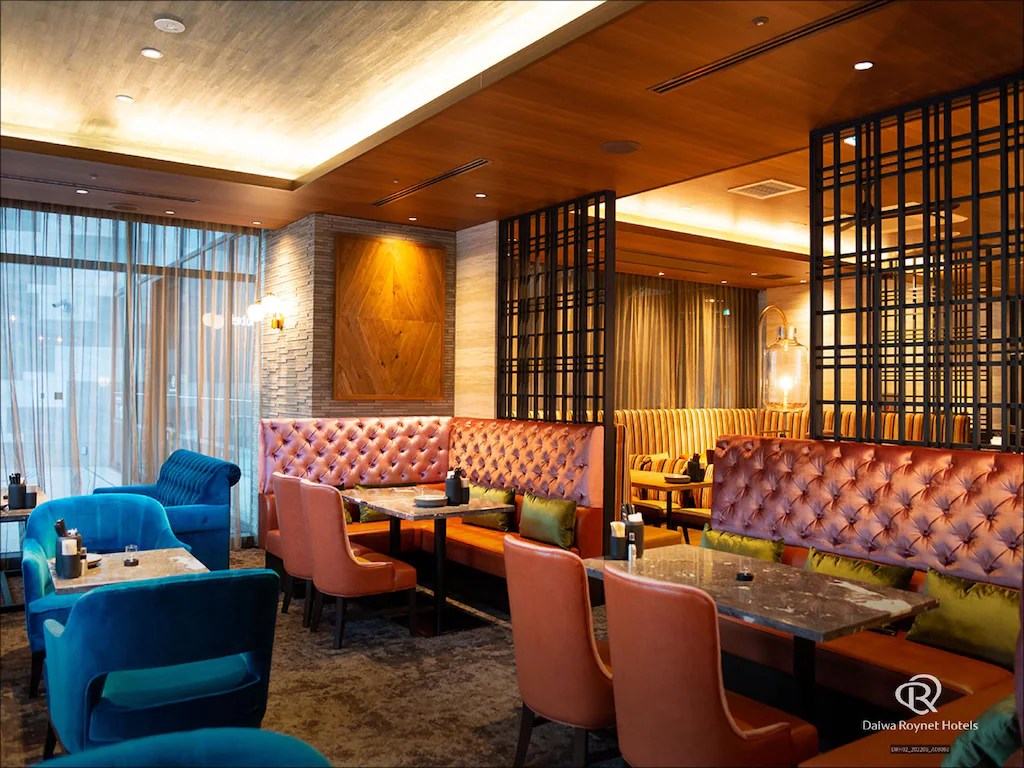
4. Daiwa Roynet Hotel
Top 5 Budget Hotels in Shinjuku
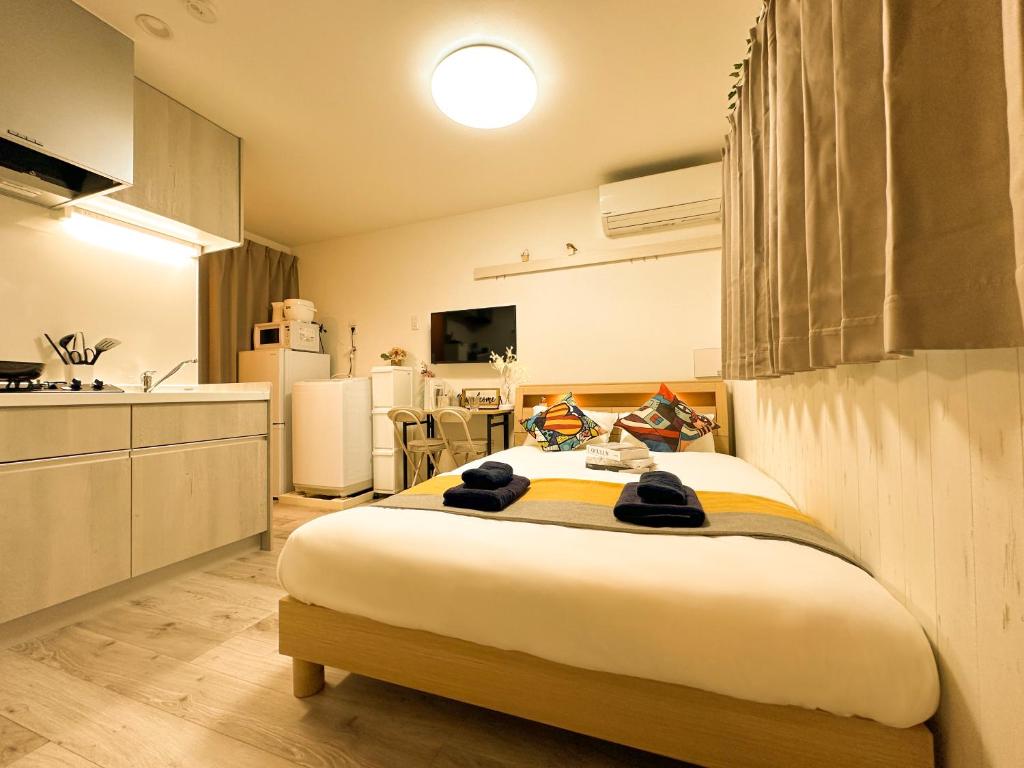
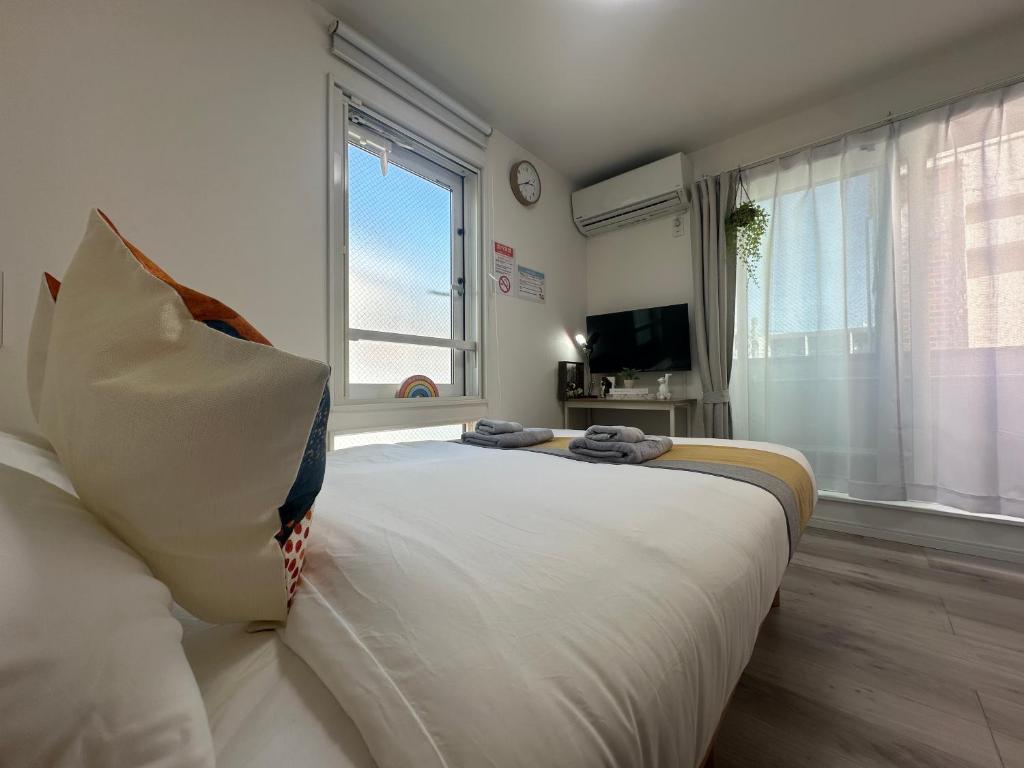
1. Nestay
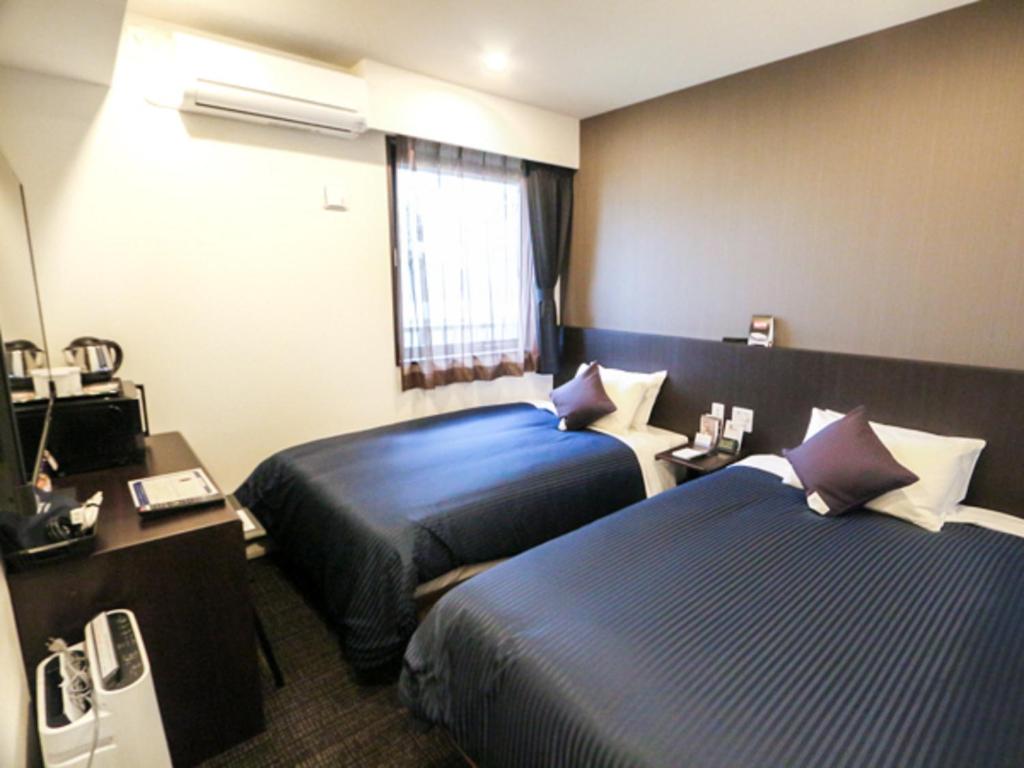
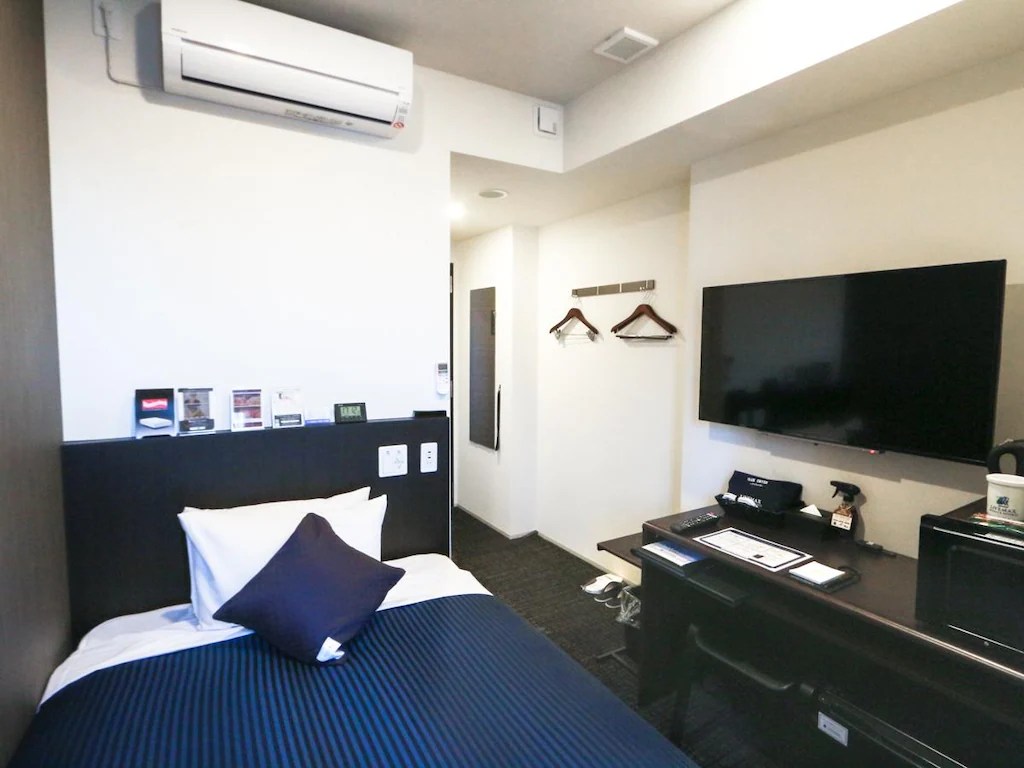
2. Hotel Livemax
3. Tokyo Green Palace Hotel
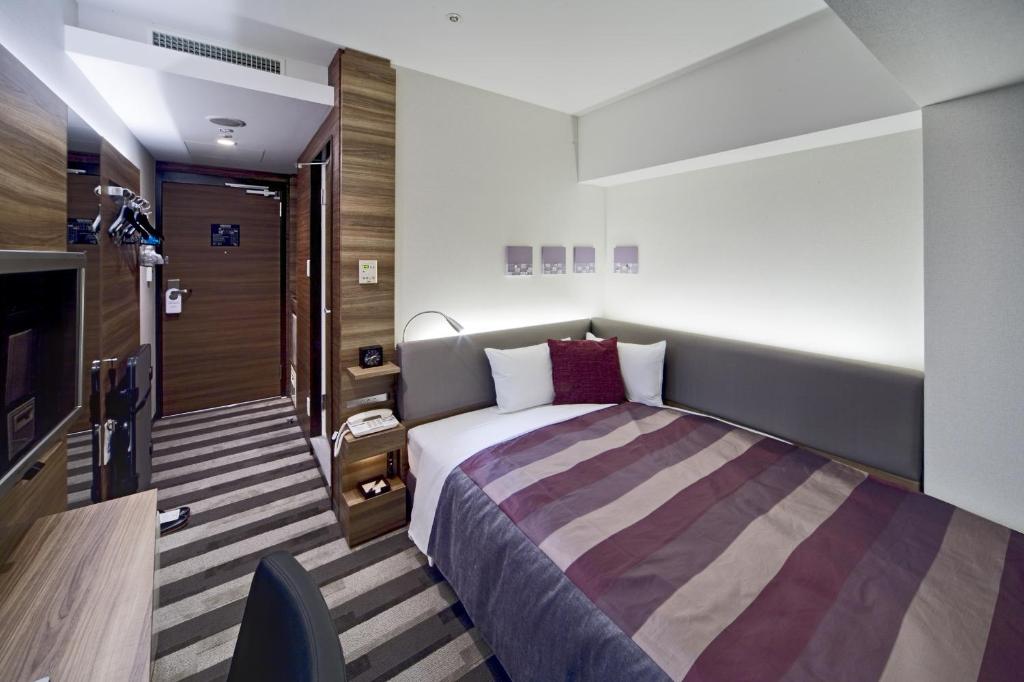
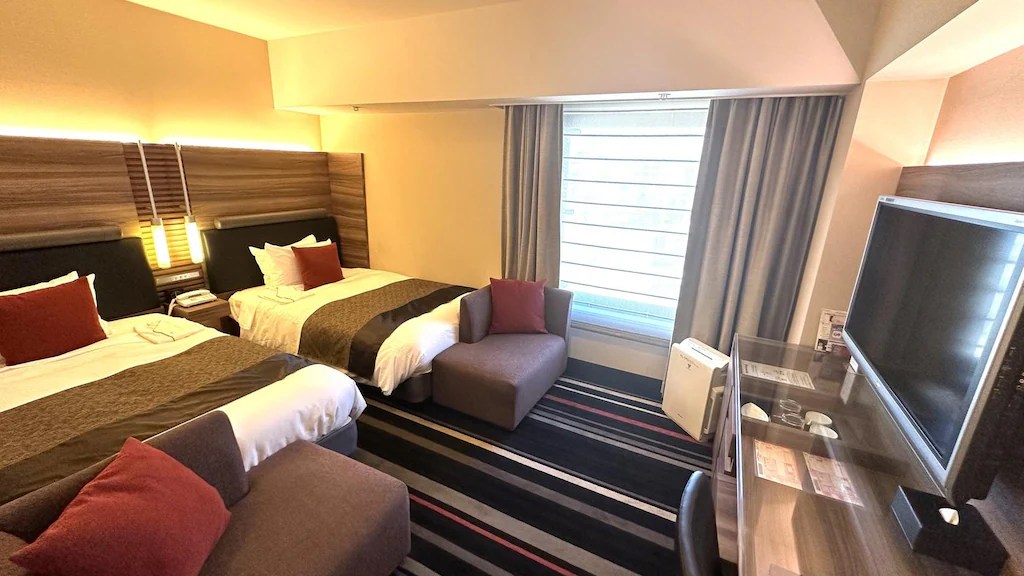
4. Lucky Hotel
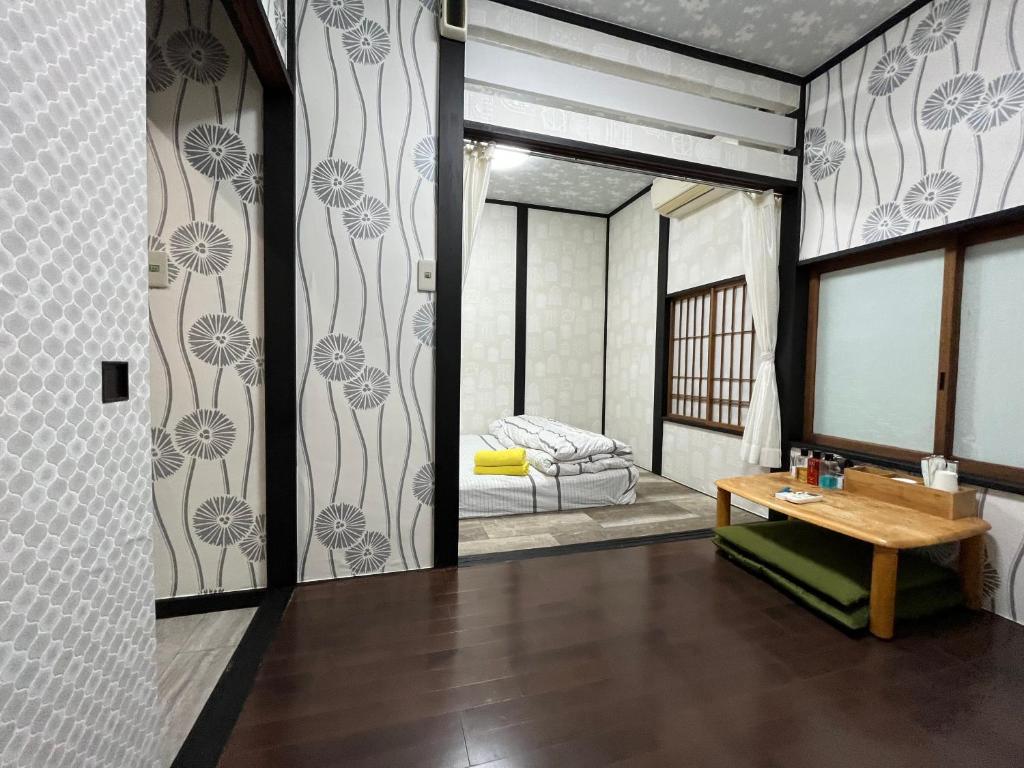
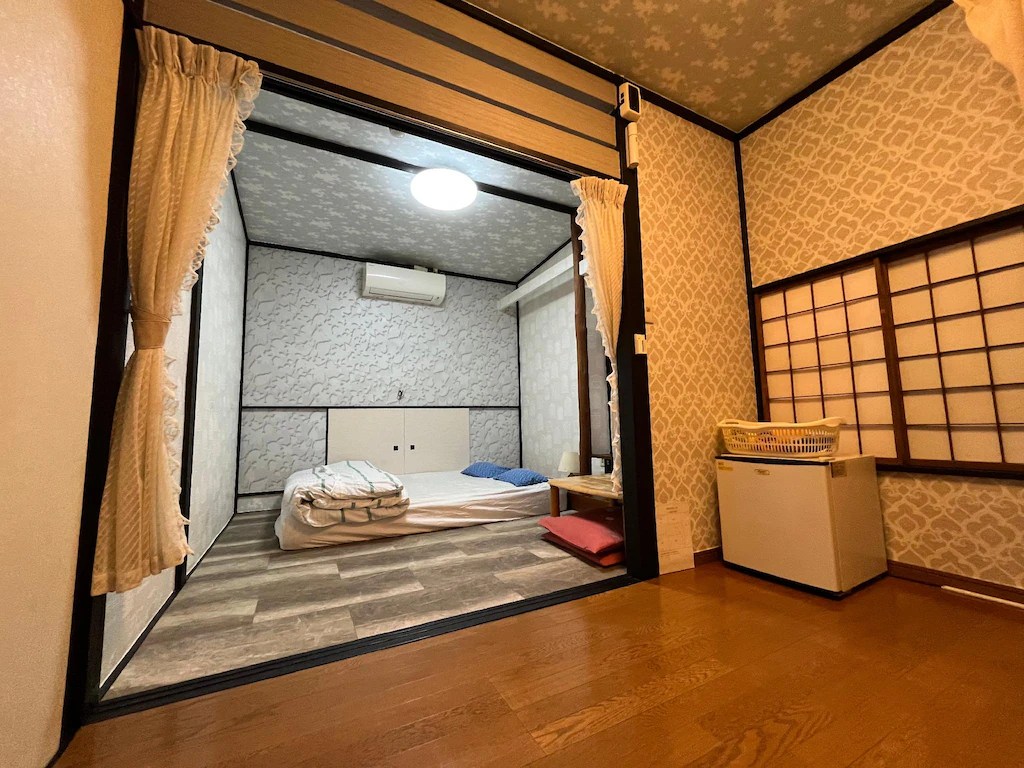
5. Hotel Wing International
2. Shibuya
Pros of Staying in Shibuya:
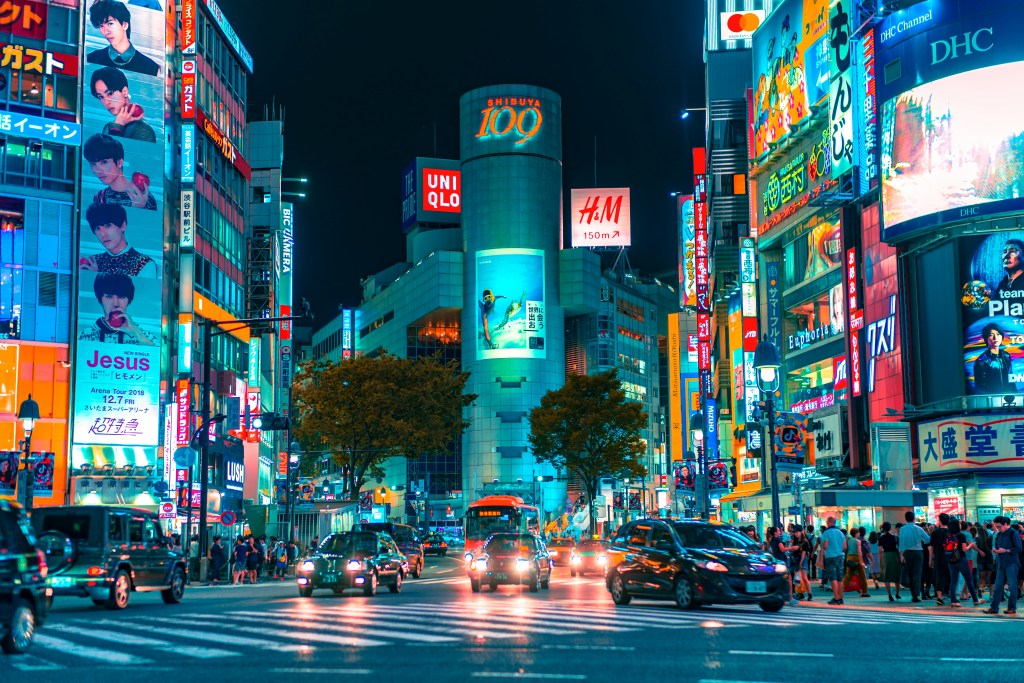
- Iconic attractions: Shibuya is home to the world-famous Shibuya Crossing, and it’s a must-see for visitors. You’re also close to the statue of Hachiko, a well-known Tokyo landmark. The area is perfect for those who want to experience the fast-paced, trendy side of Tokyo.
- Great for shopping and fashion: Shibuya is a hub for shopping, particularly for younger people. Shibuya 109, a multi-floor shopping mall, is a hotspot for youth fashion. You’ll also find plenty of international and Japanese brands along the streets.
- Nightlife and dining: Like Shinjuku, Shibuya offers plenty of bars, izakayas (Japanese-style pubs), and clubs. It’s a great area if you want to stay out late, enjoy some drinks, and experience modern Japanese nightlife.
- Central location: Shibuya has good transport connections, making it easy to reach other parts of Tokyo. It’s also near Harajuku and Omotesando, which are great areas for exploring Tokyo’s more eccentric side and higher-end shopping.
Cons of Staying in Shibuya:
- Very busy and commercial: Similar to Shinjuku, Shibuya can feel overwhelmingly crowded. Shibuya Crossing is a famous tourist spot, so the area is always bustling with people and tourists. If you prefer a quieter, more local experience, this may not be ideal.
- Limited cultural experience: Shibuya is modern and trendy, but it lacks the traditional and historical atmosphere of other areas like Asakusa. If you’re looking for more of Tokyo’s cultural heritage, Shibuya might not be the best choice.
- Can be expensive: Like Shinjuku, Shibuya is known for its shopping and nightlife, which means it can be pricier when it comes to hotels and dining. Budget travelers might struggle to find affordable accommodation here.
Top 5 High End Hotels in Shibuya
1. Shibuya Excel Hotel
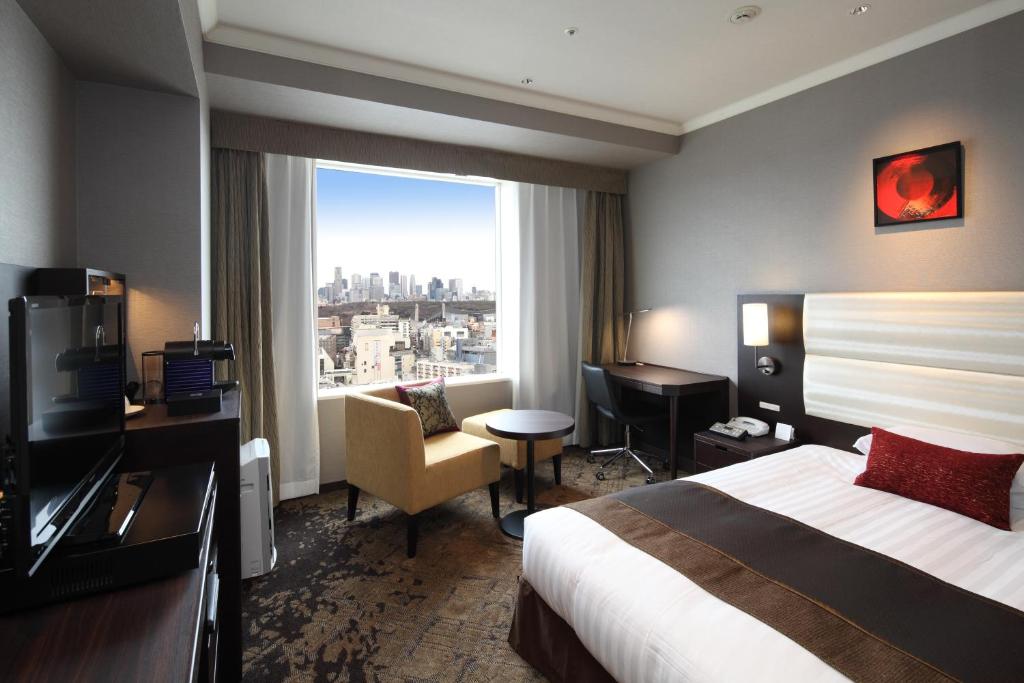
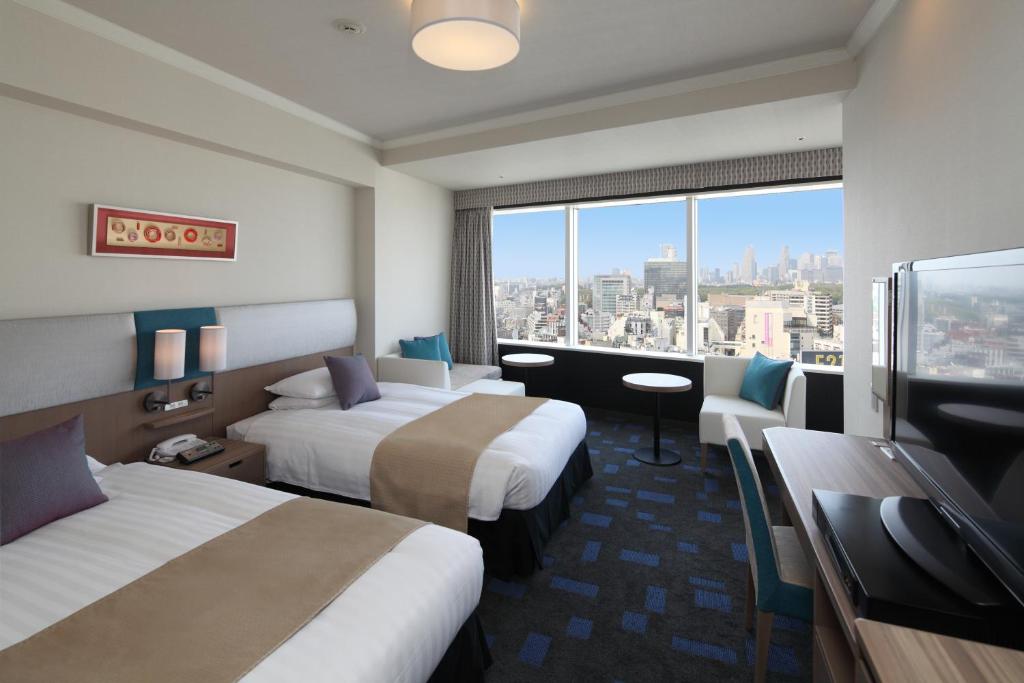
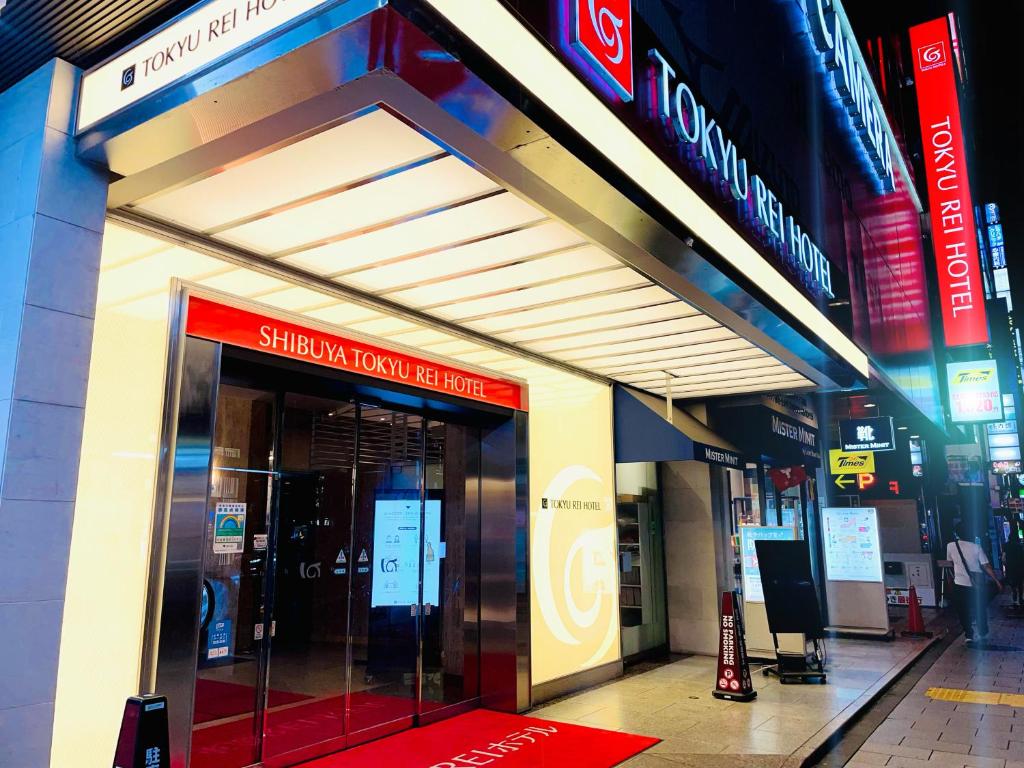
2. Shibuya Tokyu REI Hotel
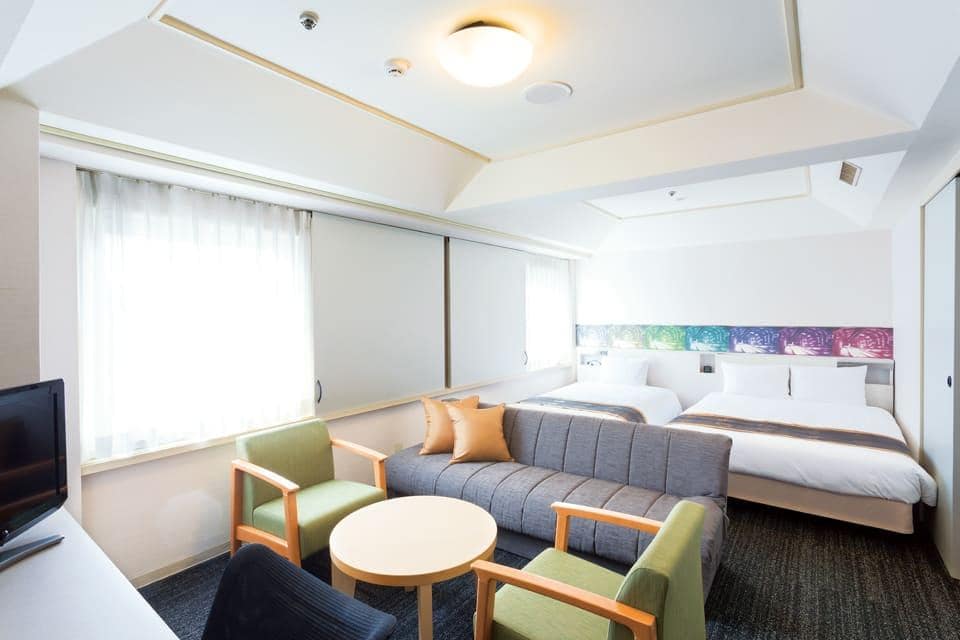
3. Shibuya Stream Hotel
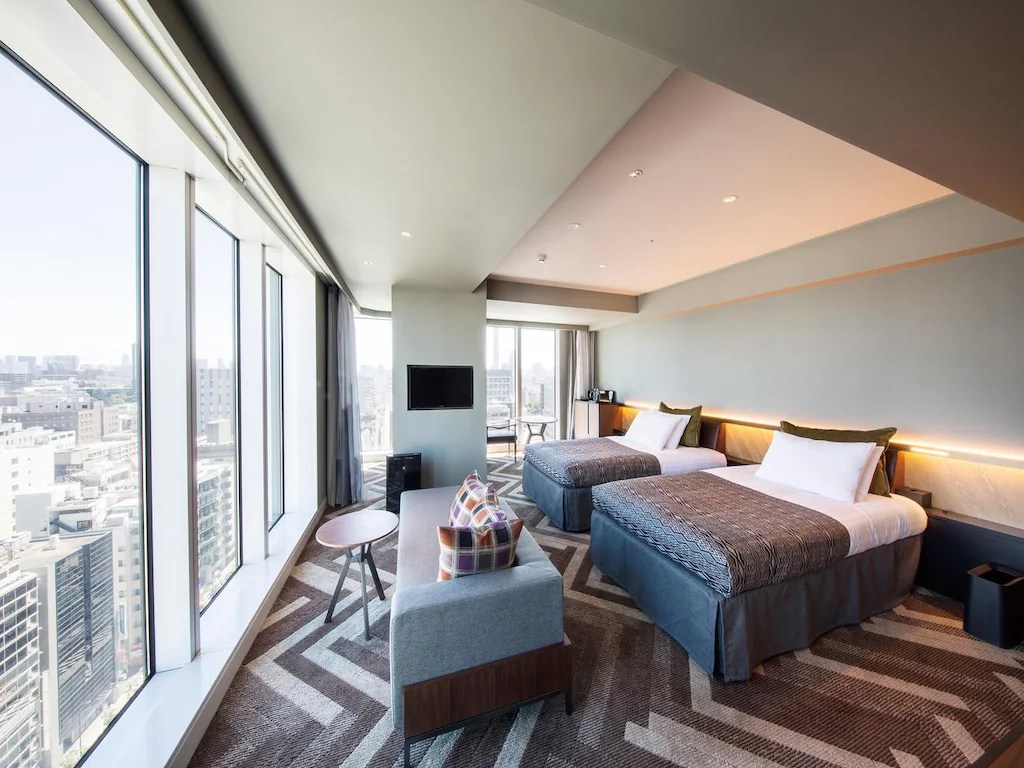
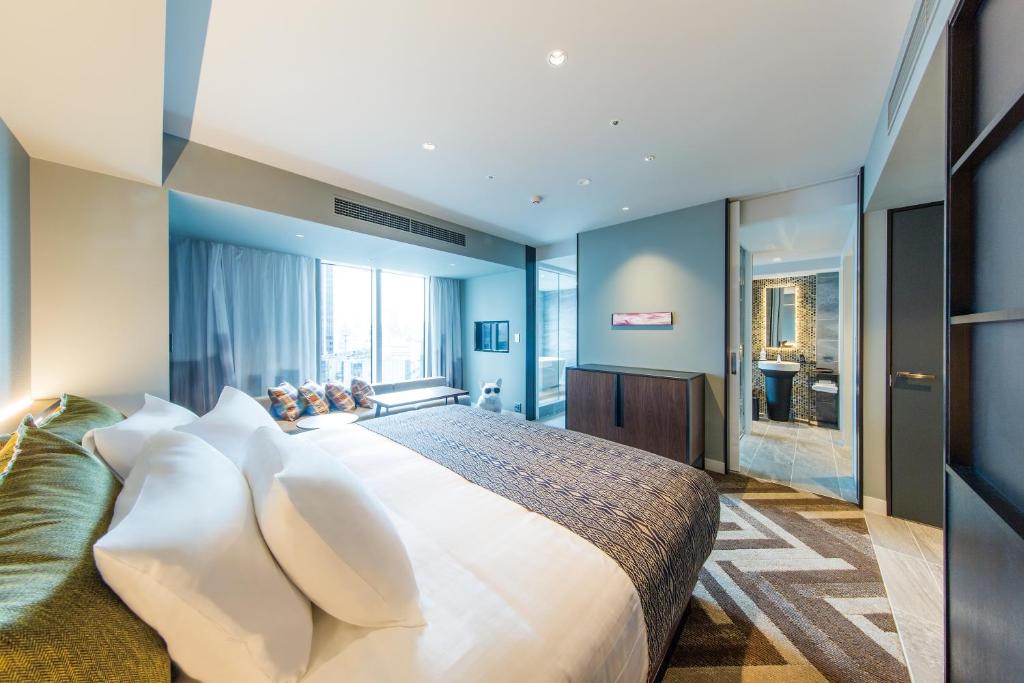
4. All Day Place Shibuya
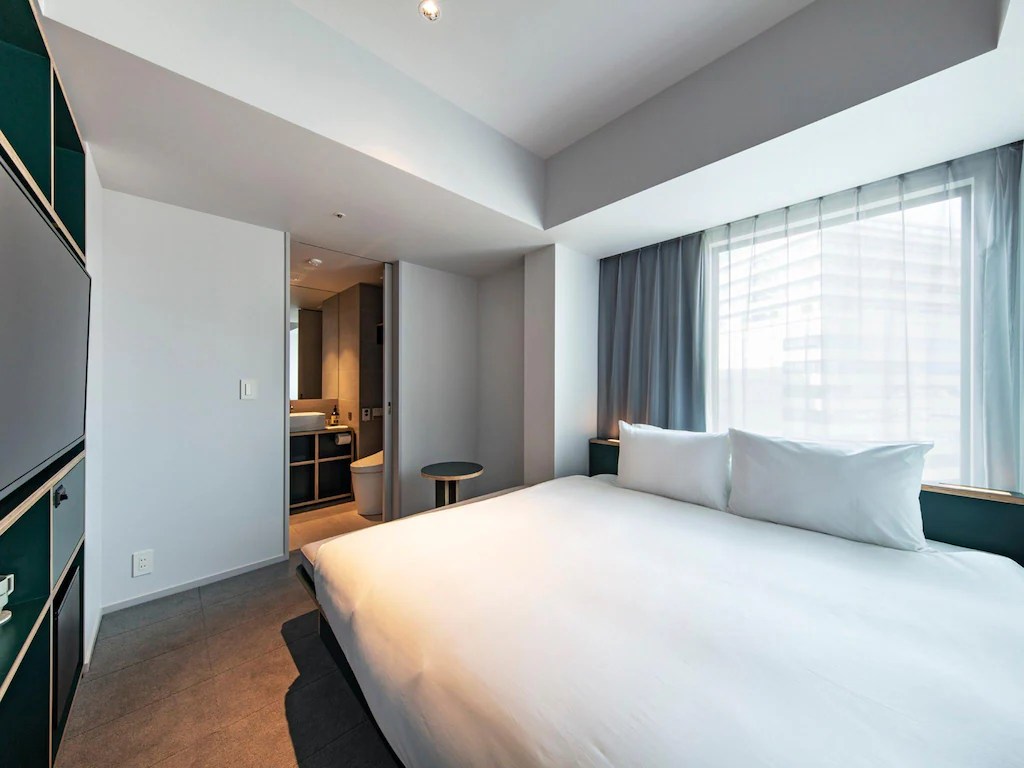
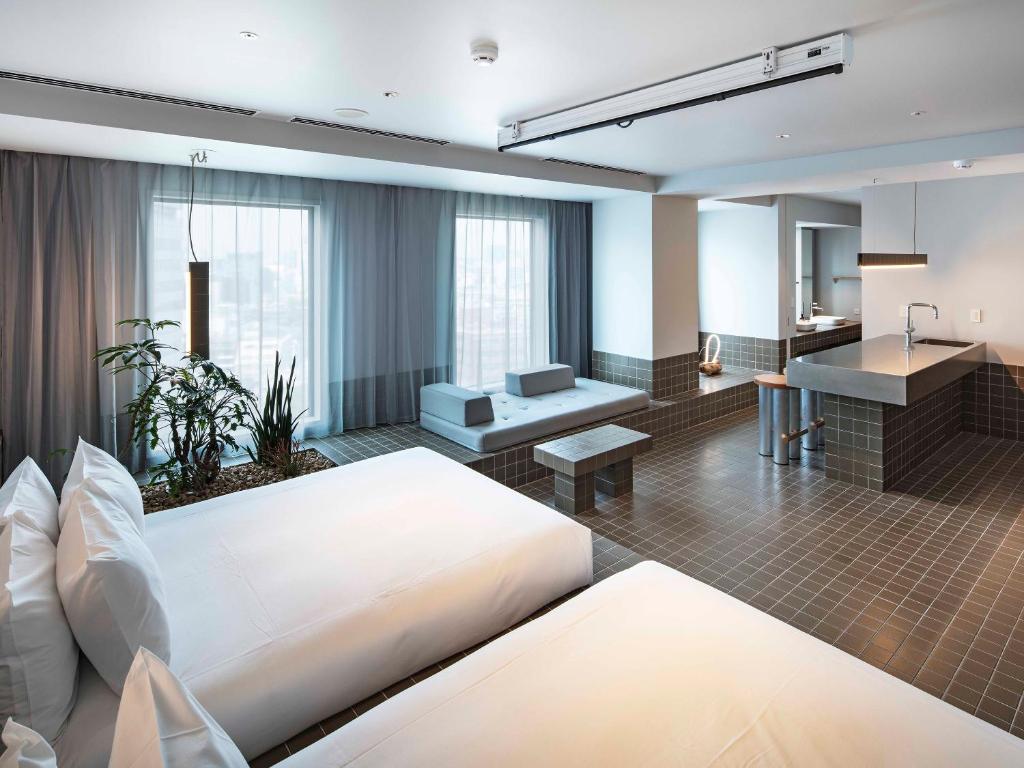
5. Hotel Indigo
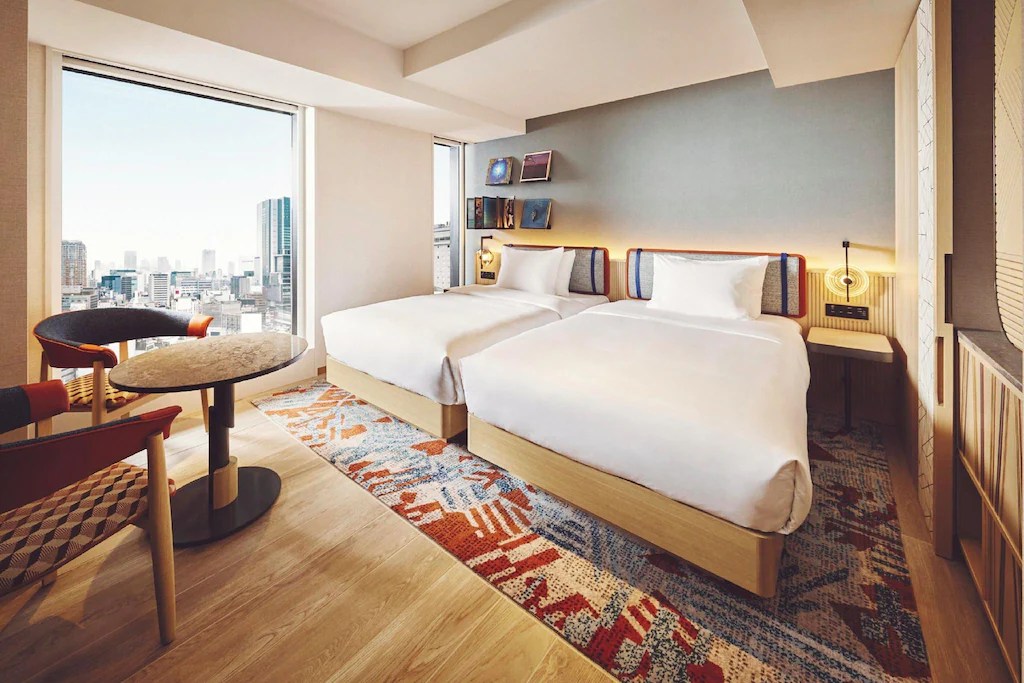
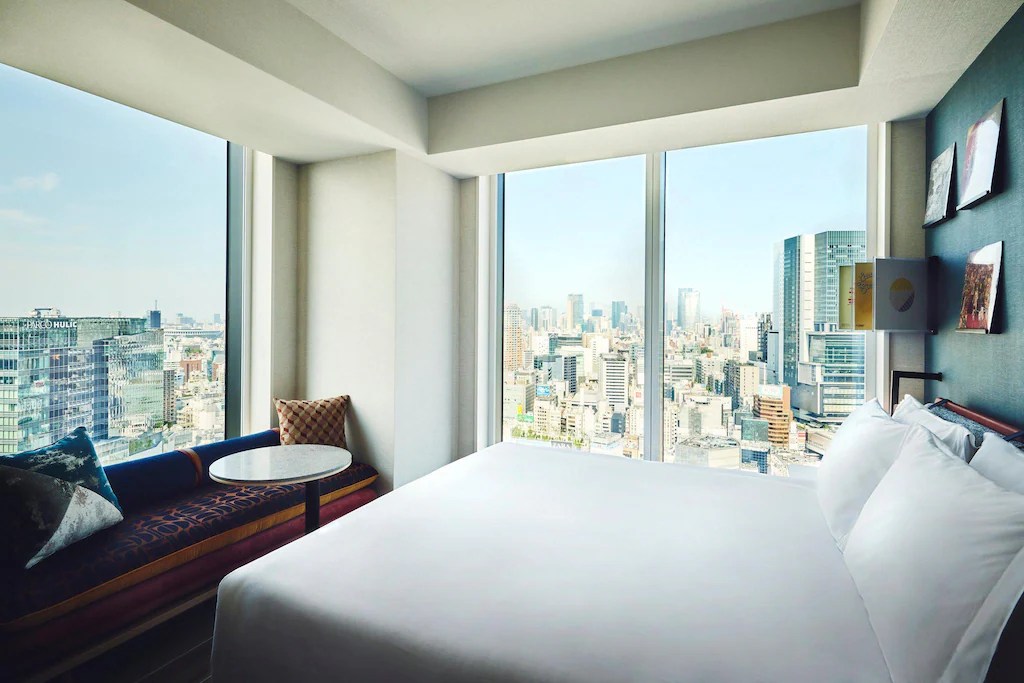
Top 5 Budget Hotels in Shibuya
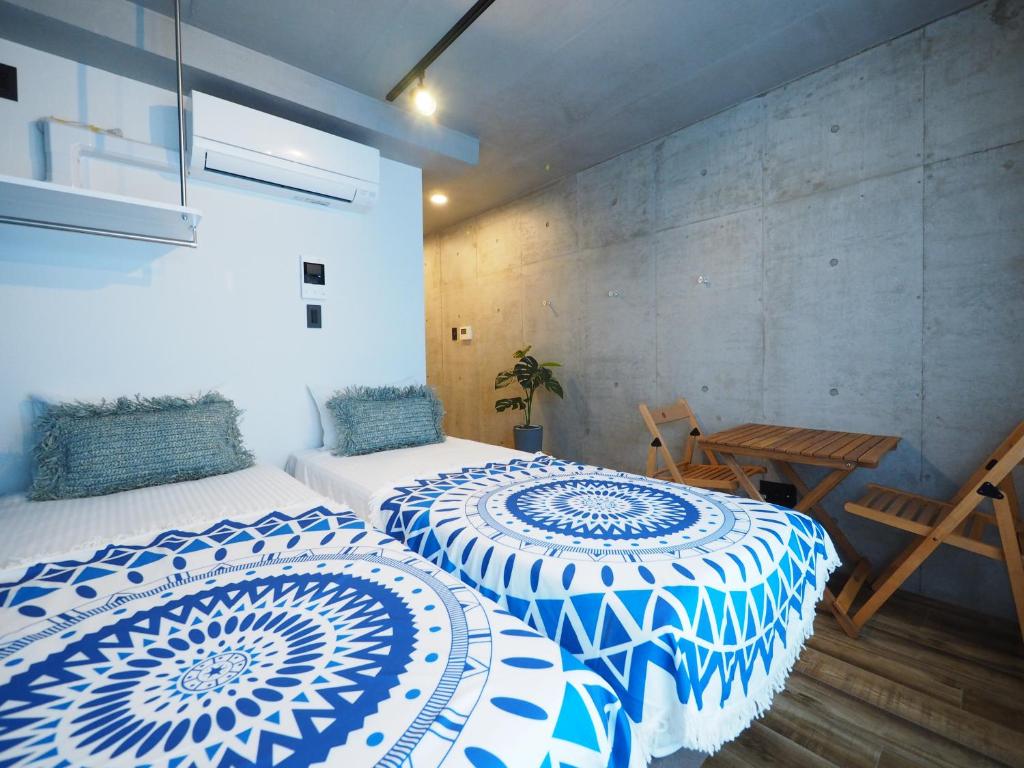
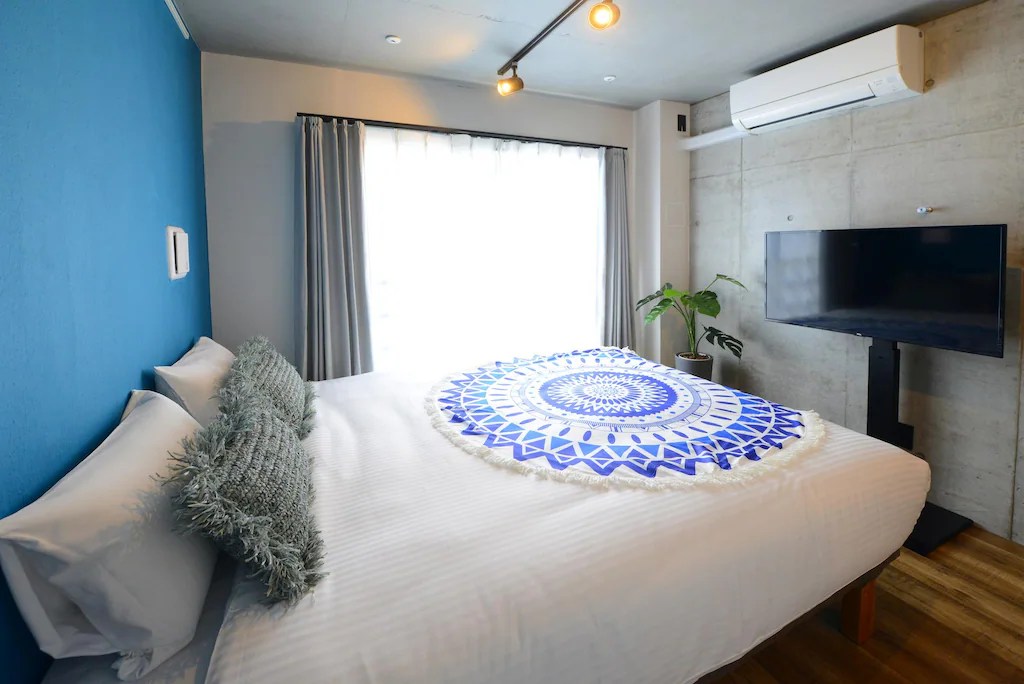
1. Luana
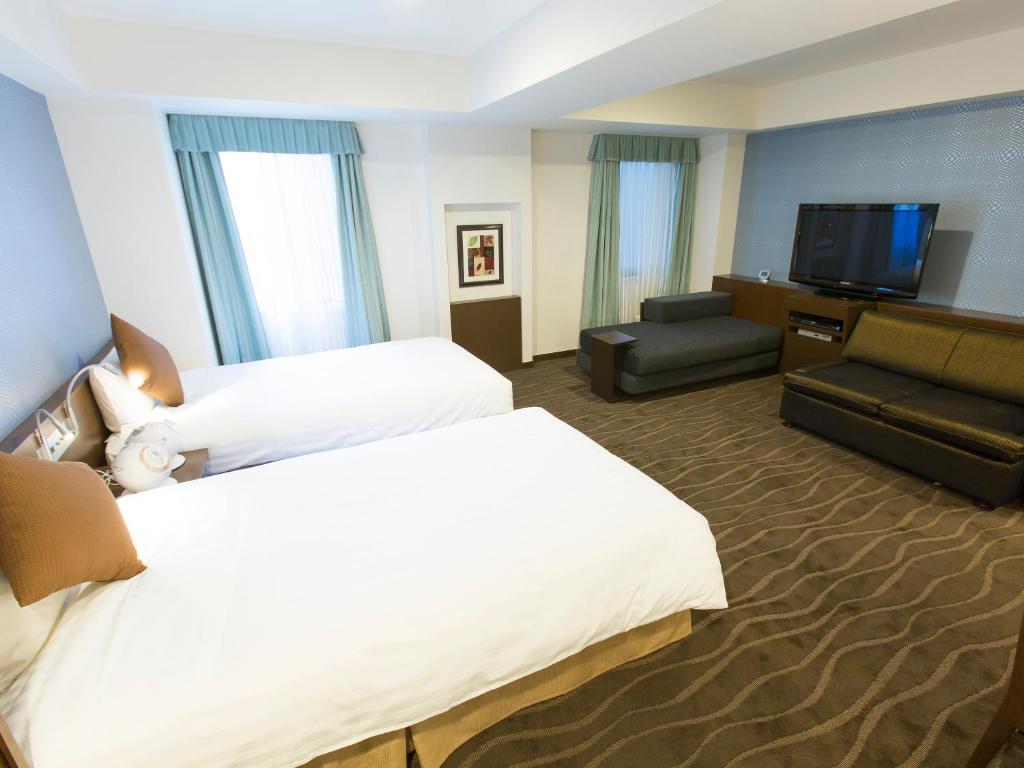
2. Shibuya Tobu Hotel
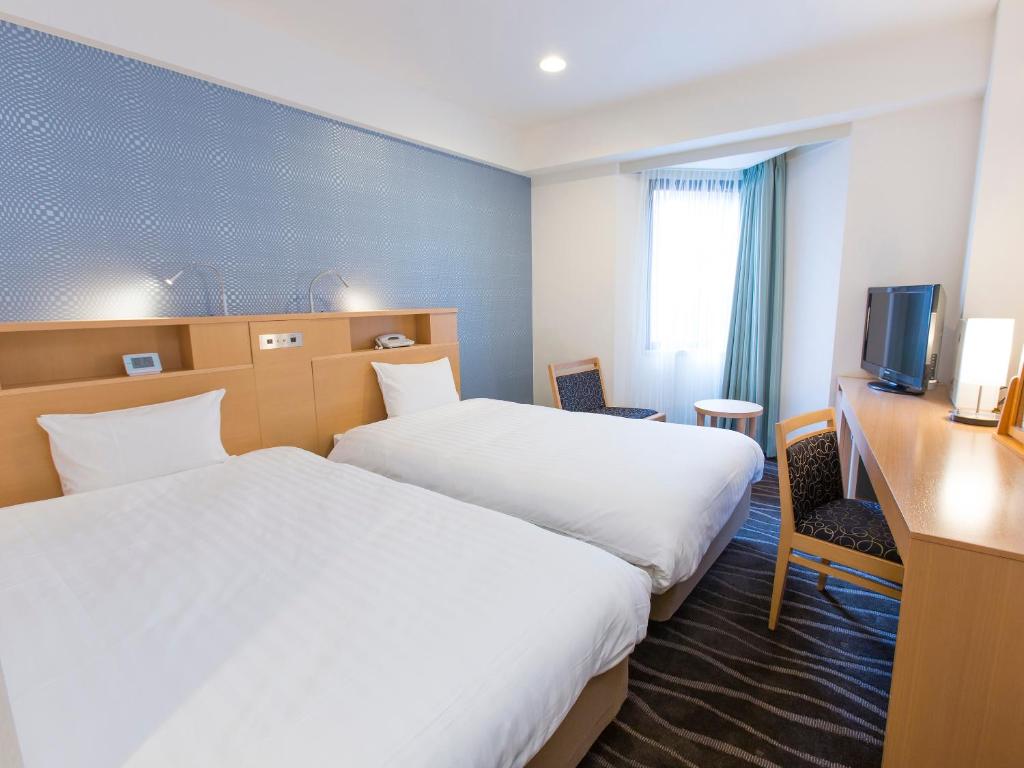
3. Hotel Blanche
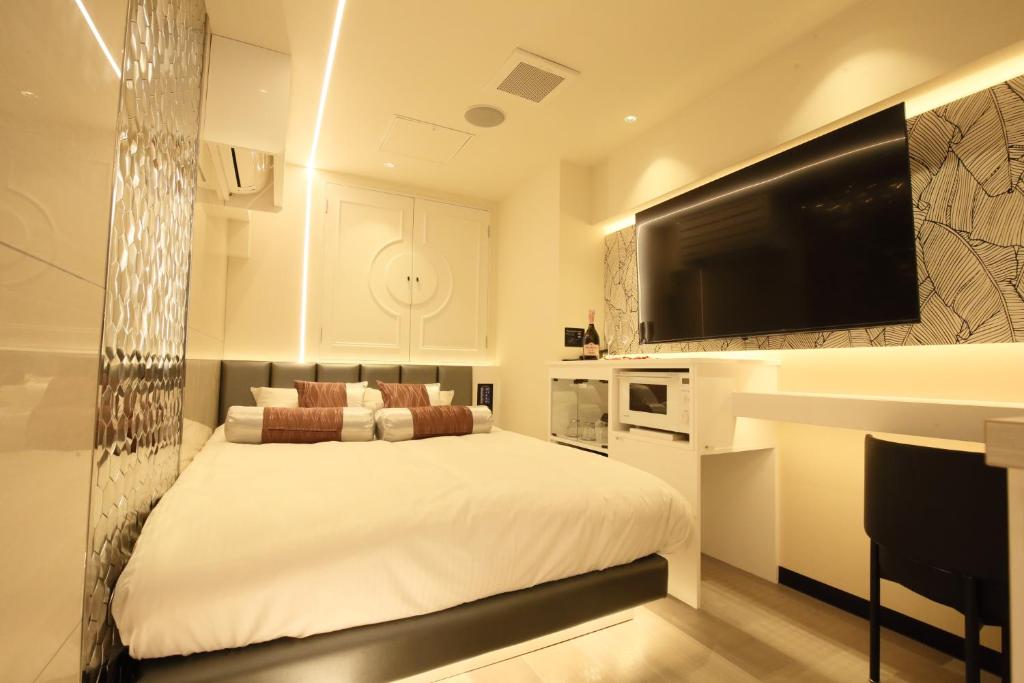
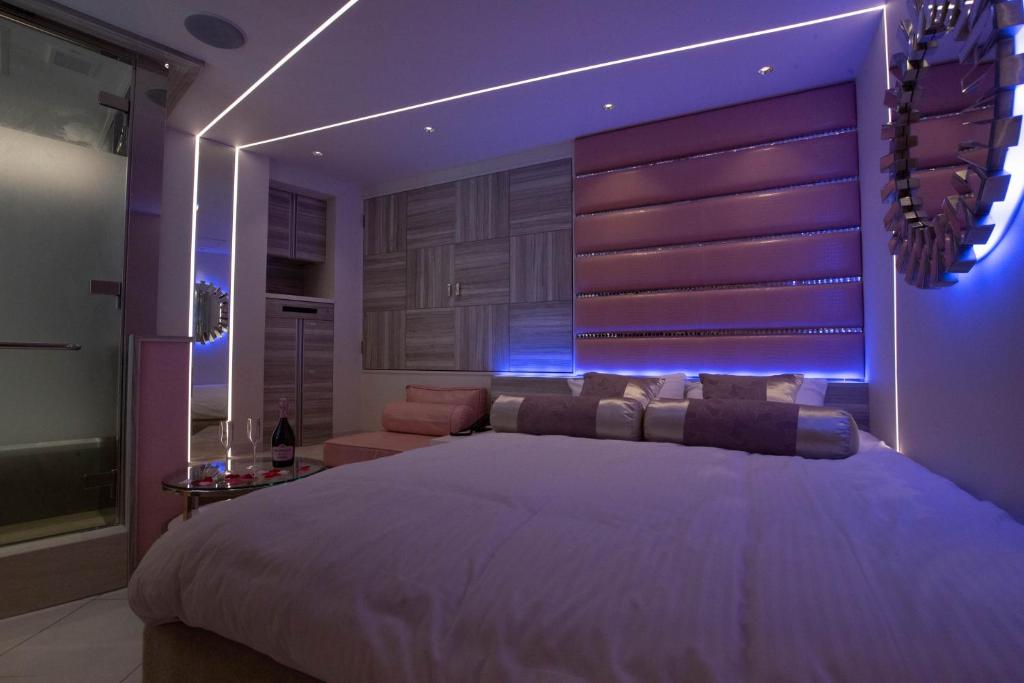
4. Hotel Graphy
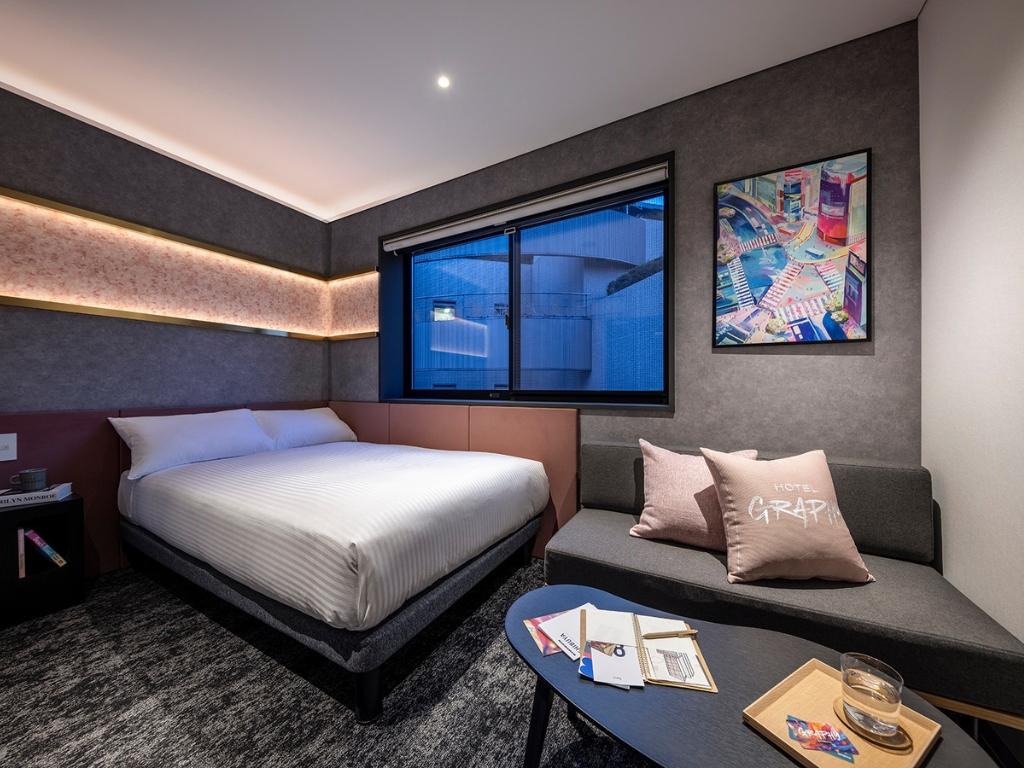
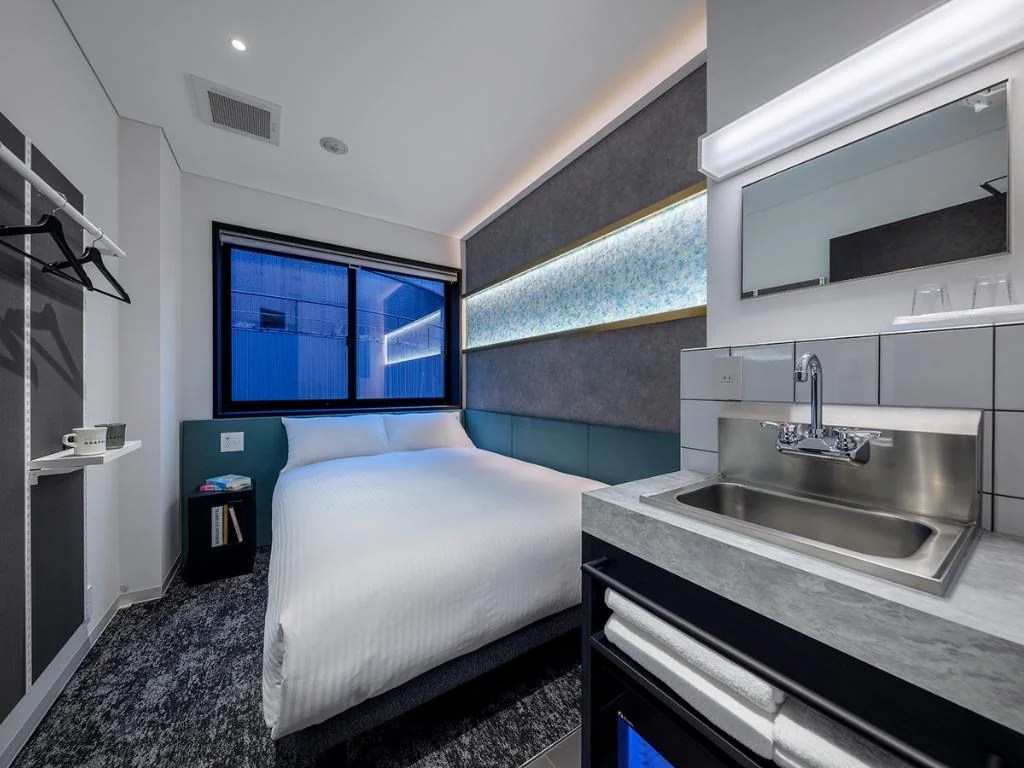
5. Shibuya Creston Hotel
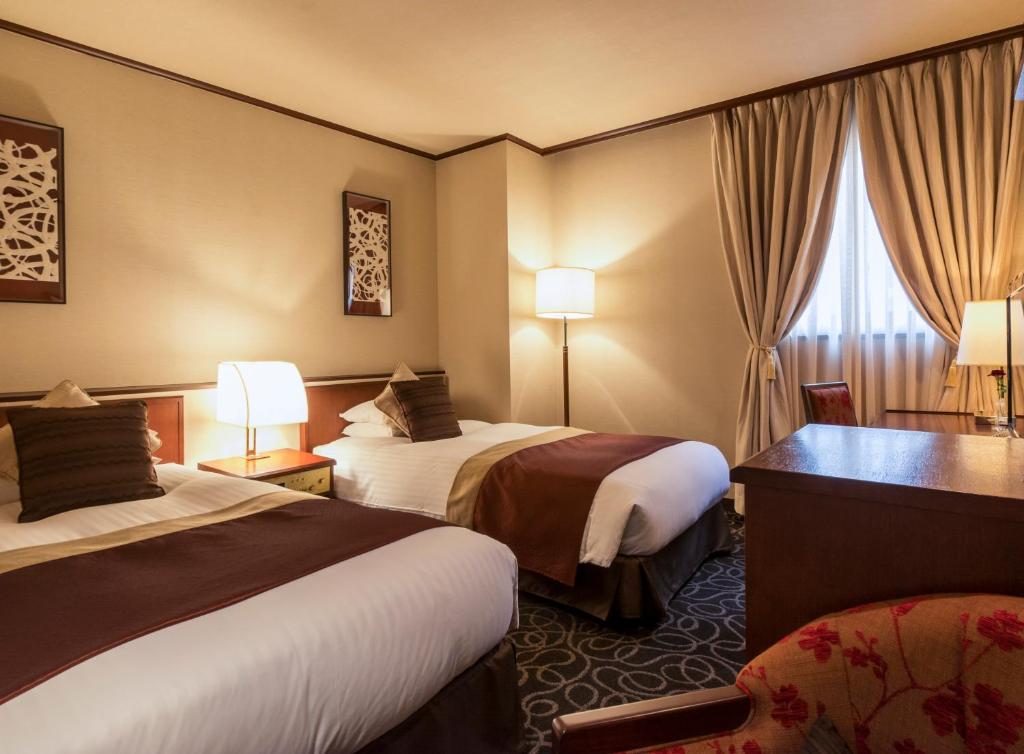
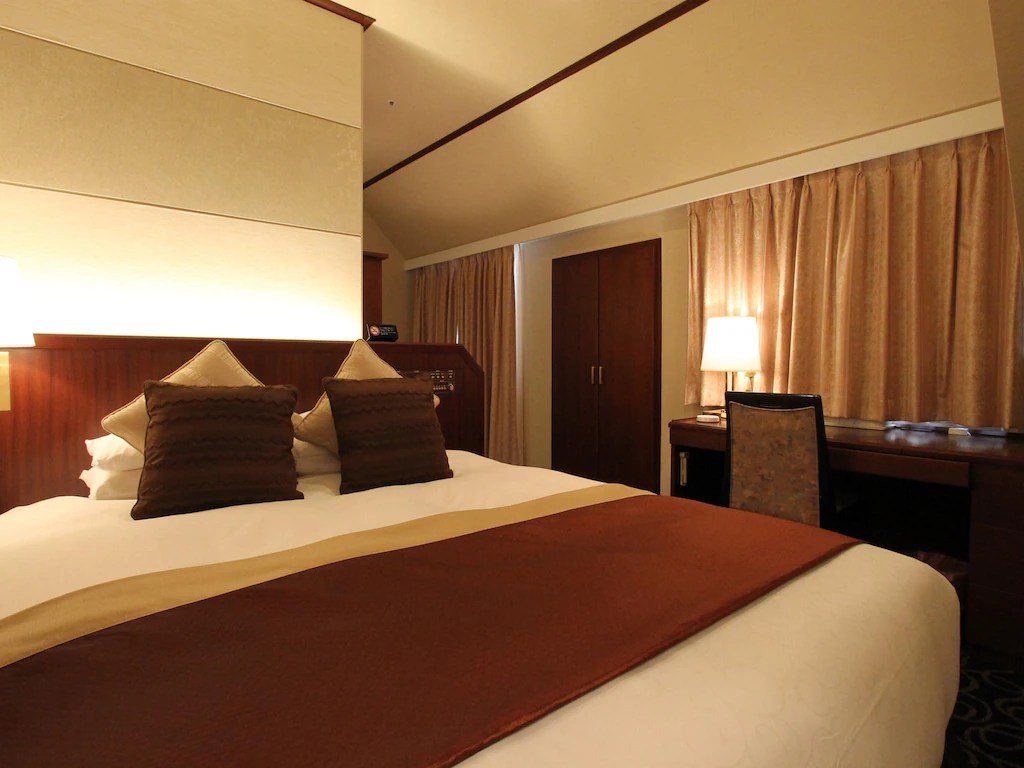
3. Asakusa

Pros of Staying in Asakusa:
- Cultural and historical experience: Asakusa is home to Tokyo’s famous Sensō-ji Temple, the city’s oldest Buddhist temple. The surrounding area has a more traditional vibe, with narrow streets, old shops, and a slower pace than places like Shibuya or Shinjuku. If you’re looking to immerse yourself in Japanese culture and history, this is the area to stay in.
- More relaxed and quiet: Asakusa is less crowded compared to Shinjuku and Shibuya. It’s a great spot for travelers who want to avoid the chaos of modern Tokyo and enjoy a more laid-back atmosphere.
- Affordable accommodations: Asakusa tends to have more budget-friendly accommodations compared to the central areas of Shinjuku and Shibuya. You’ll find a mix of hostels, guesthouses, and mid-range hotels that are great for budget-conscious travelers.
- Close to Sumida River: The nearby Sumida River and the famous Tokyo Skytree are easily accessible. You can take river cruises, explore nearby parks, and enjoy some of the best views of Tokyo from the Skytree observation decks.
Cons of Staying in Asakusa:
- Far from central Tokyo: While Asakusa has a lot of traditional charm, it’s a bit farther from the more modern attractions of Tokyo. If you plan to spend a lot of time in Shibuya or Shinjuku, staying in Asakusa could mean longer travel times. It might not be the most convenient choice for quick access. It’s not as well-connected to major transport hubs as Shinjuku or Shibuya.
- Fewer shopping options: Asakusa is more focused on traditional shops and souvenirs than trendy or high-end shopping. If shopping is a major part of your trip, you might find better options in areas like Shibuya.
Top 5 High End Hotels in Asakusa
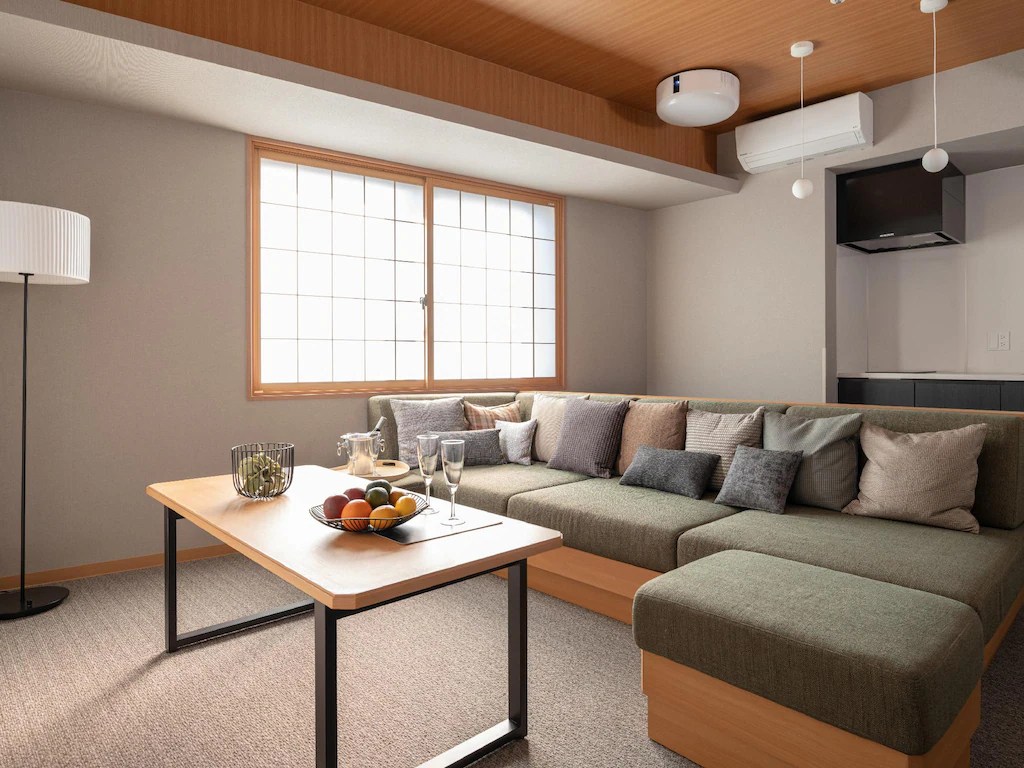
1. Mimaru Suites
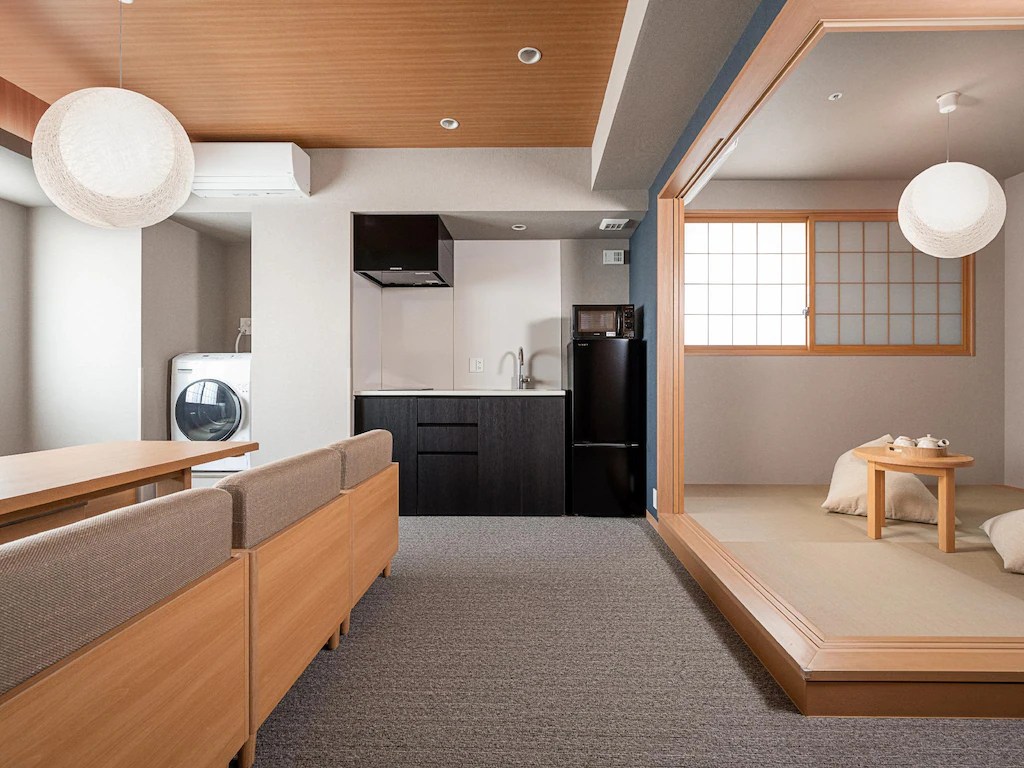
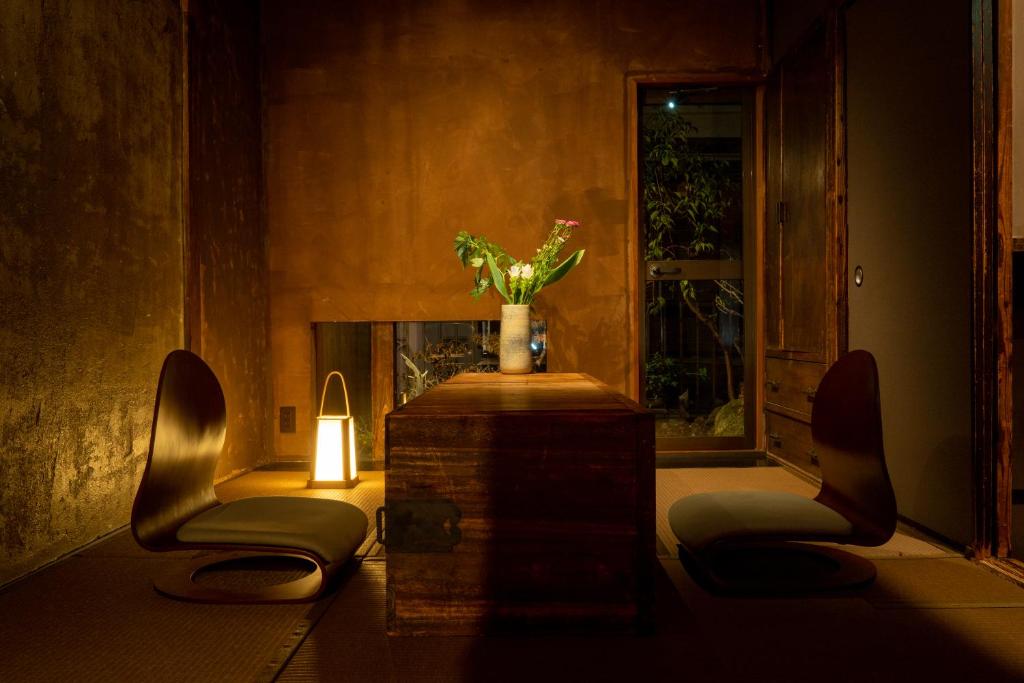
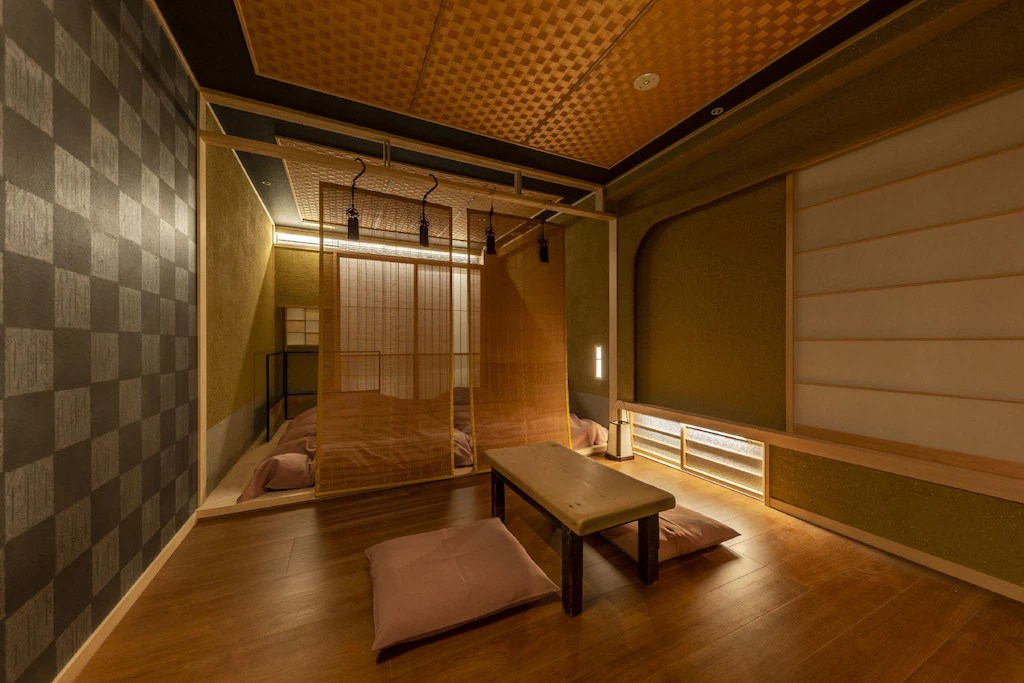
2. Cyashitu Ryokan
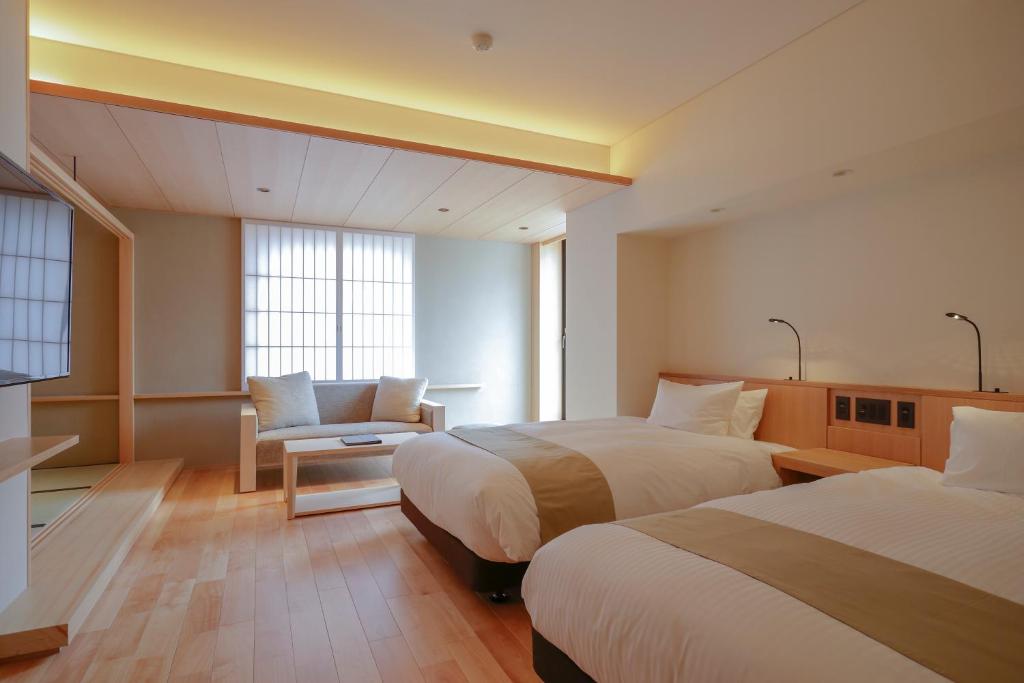
3. Kaminarimon Ryokan
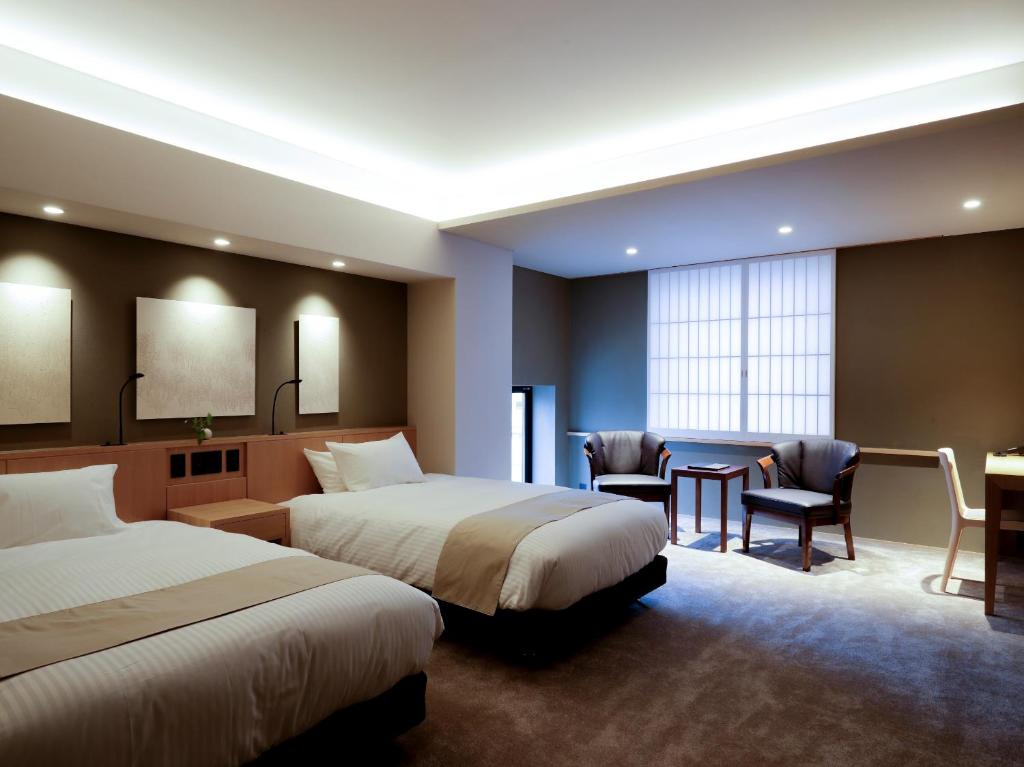
4. Minn Hotel
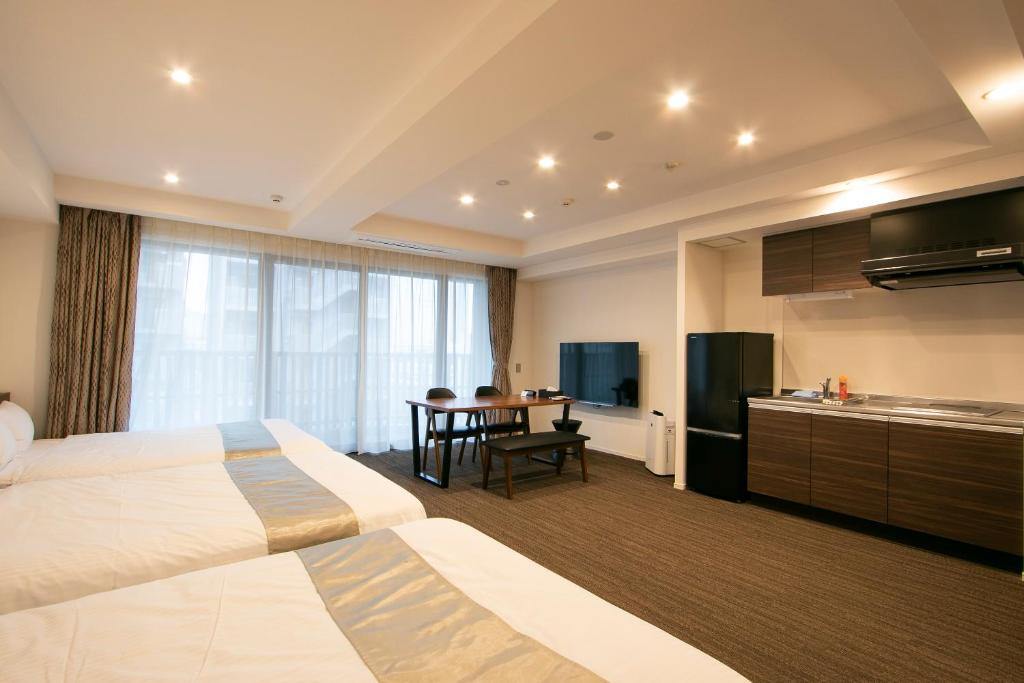
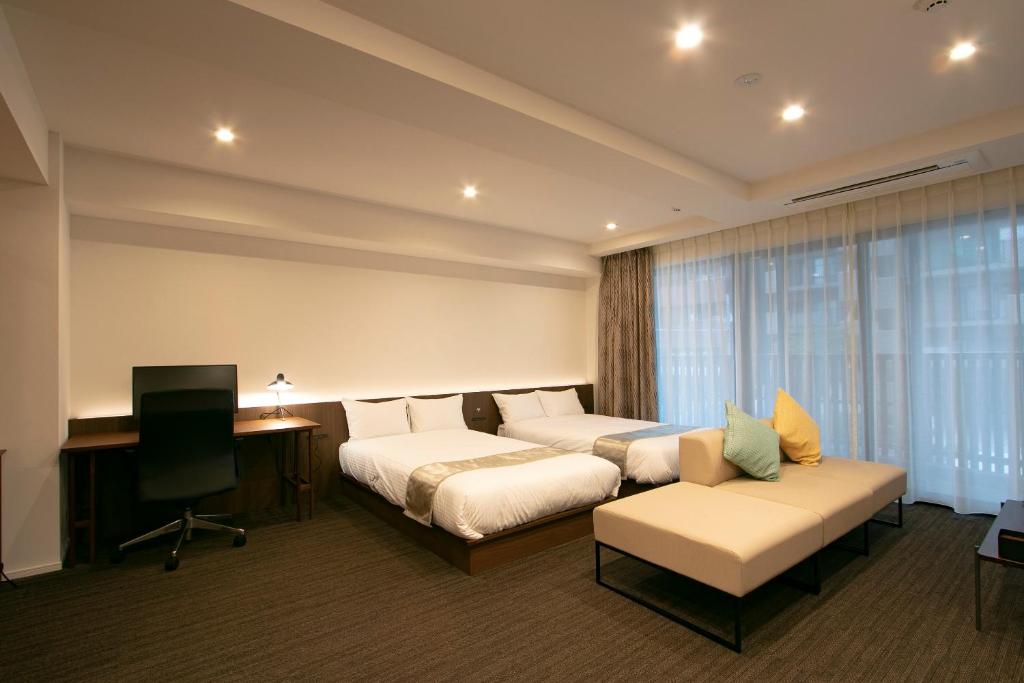
4. The Moto Hotel
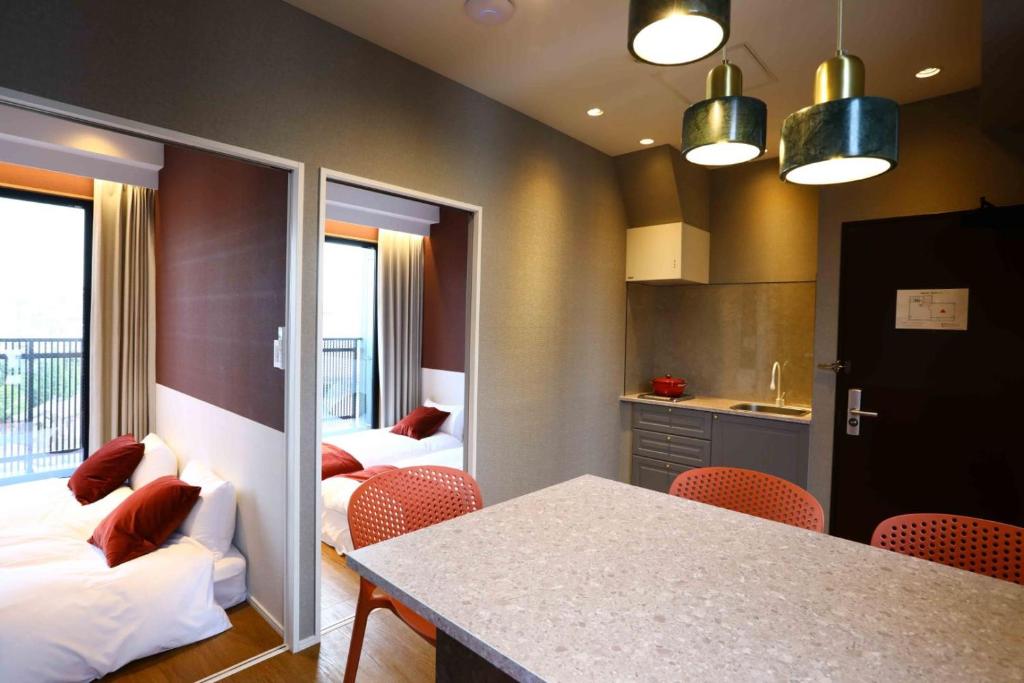
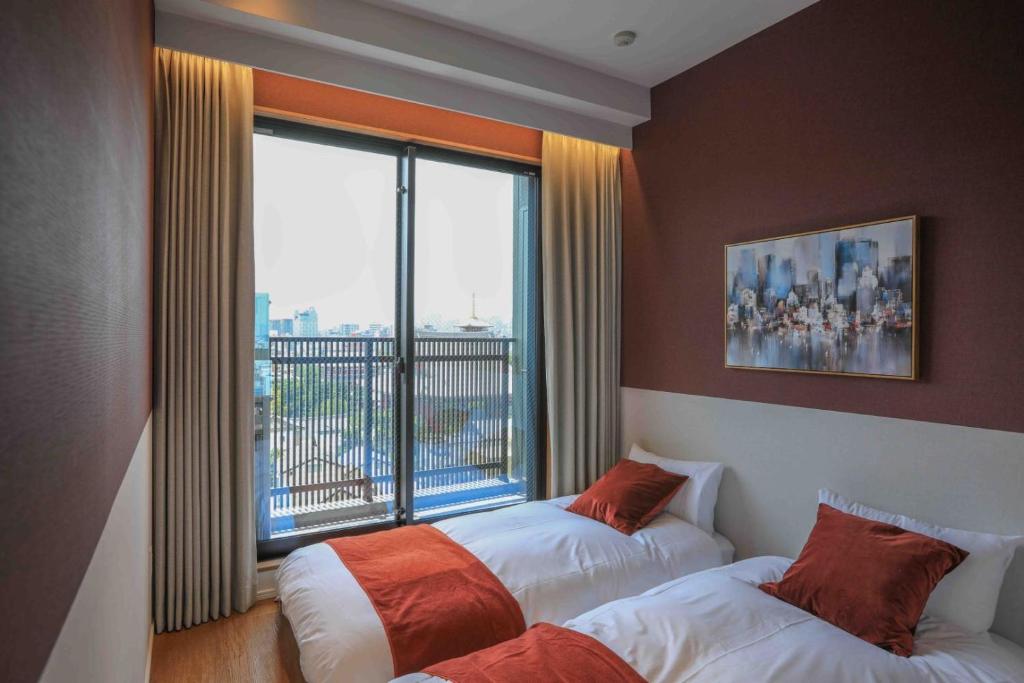
Top 5 Budget Hotels in Asakusa
1. Ohwa Hostel
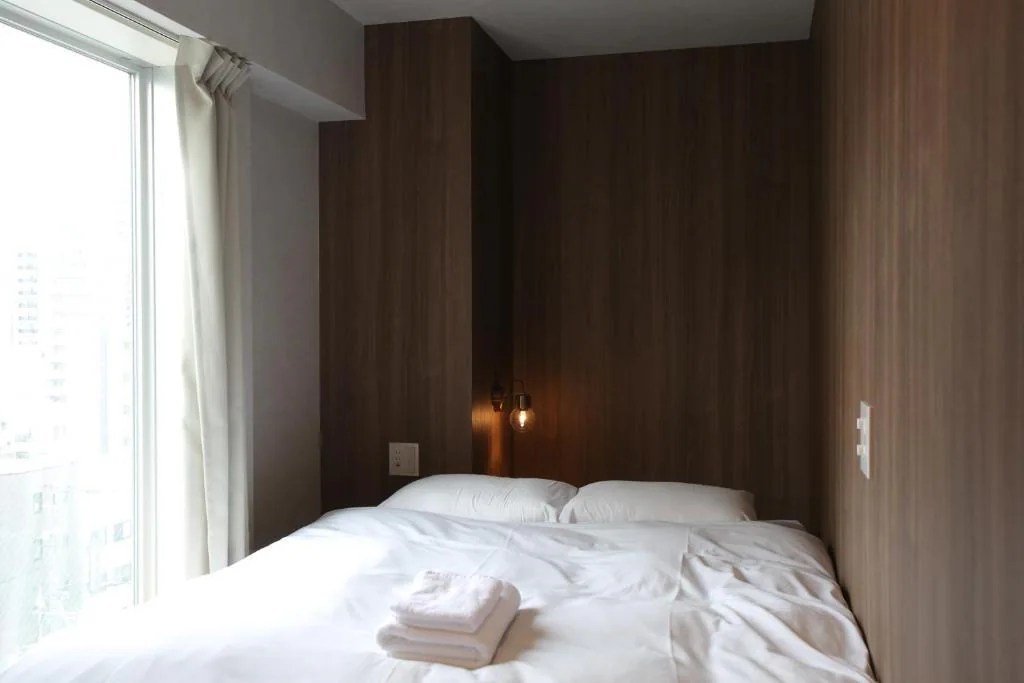
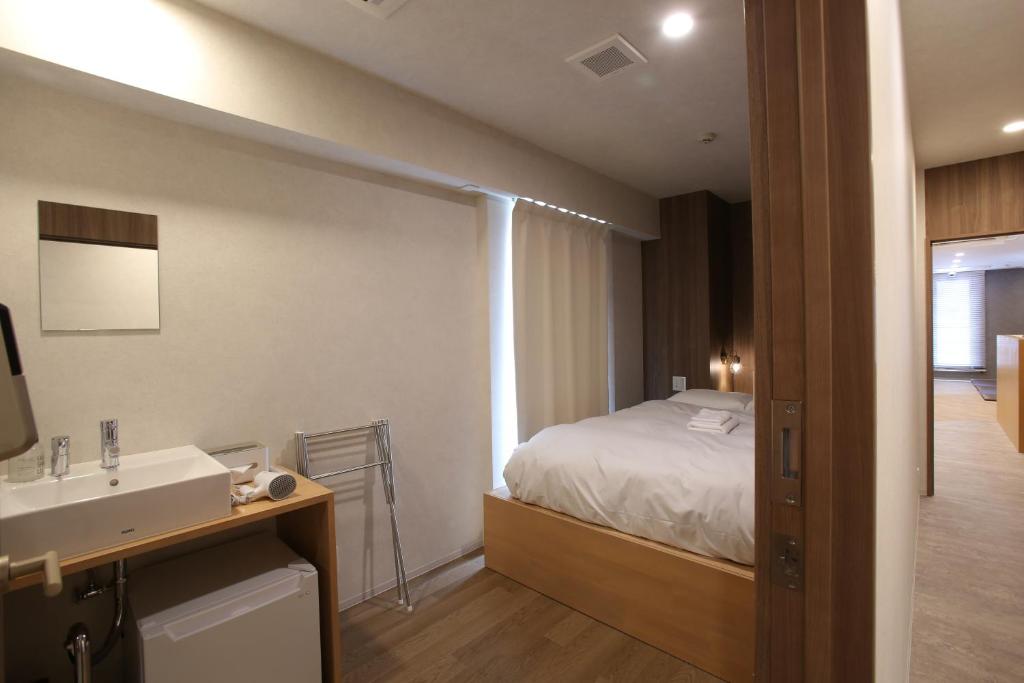
2. Vessel Inn
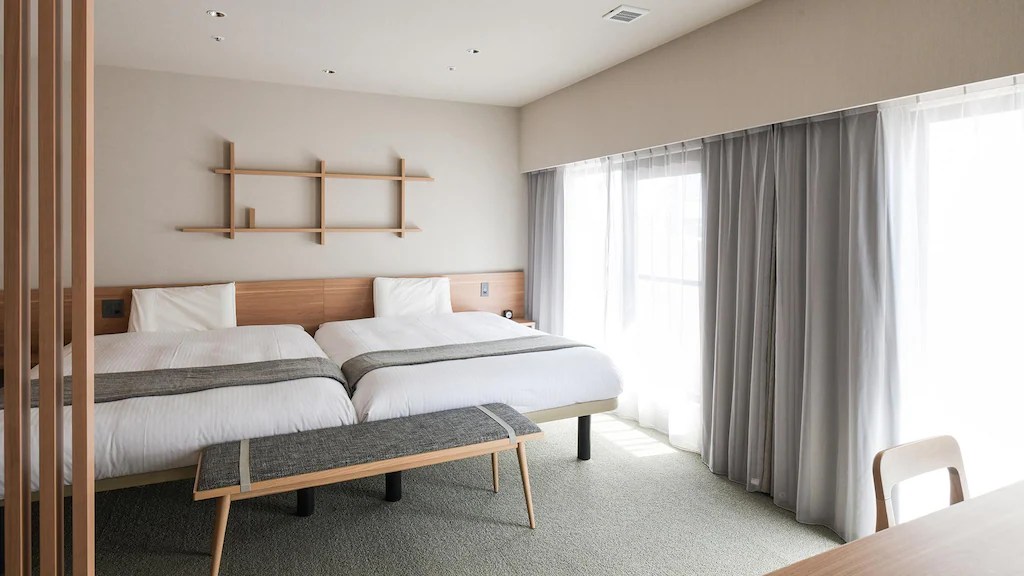
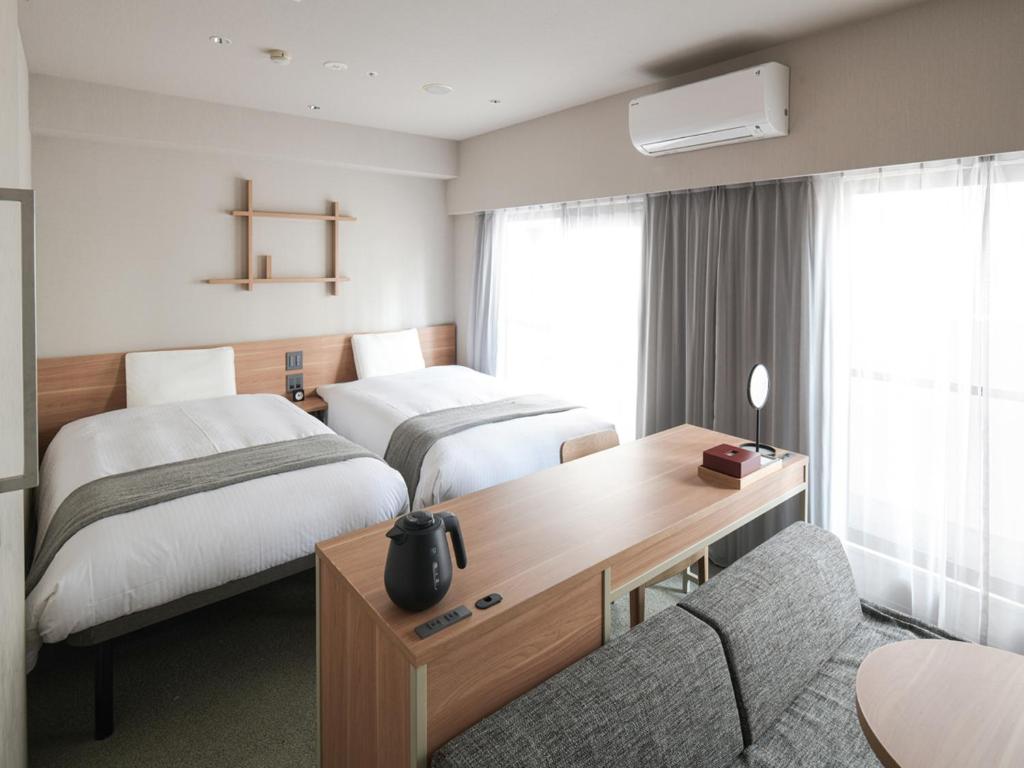
3. Hotel Tavinos
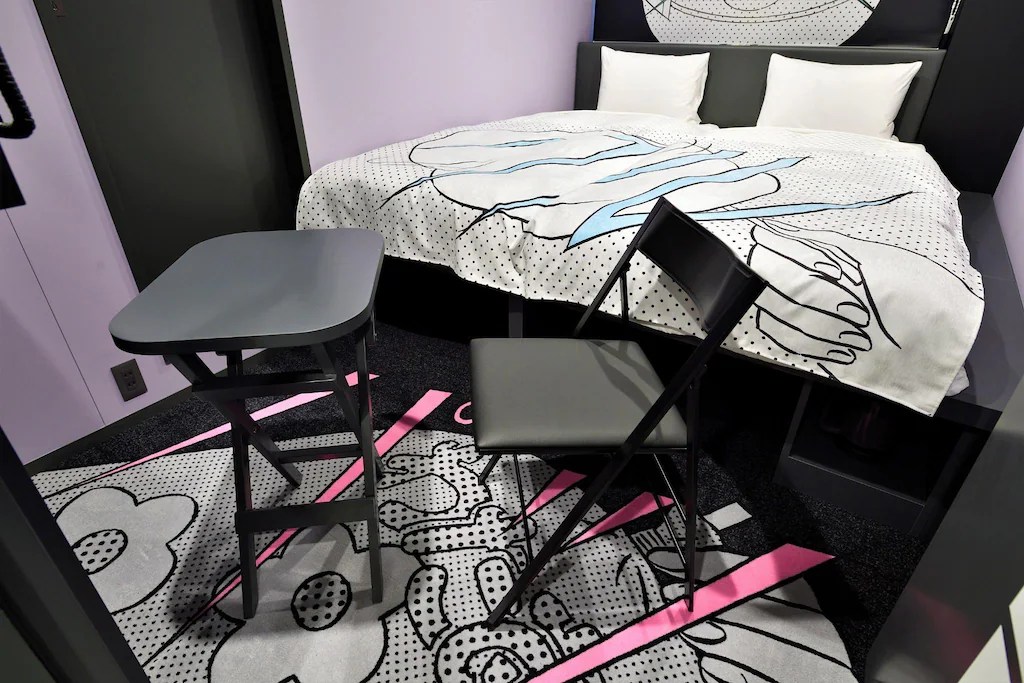
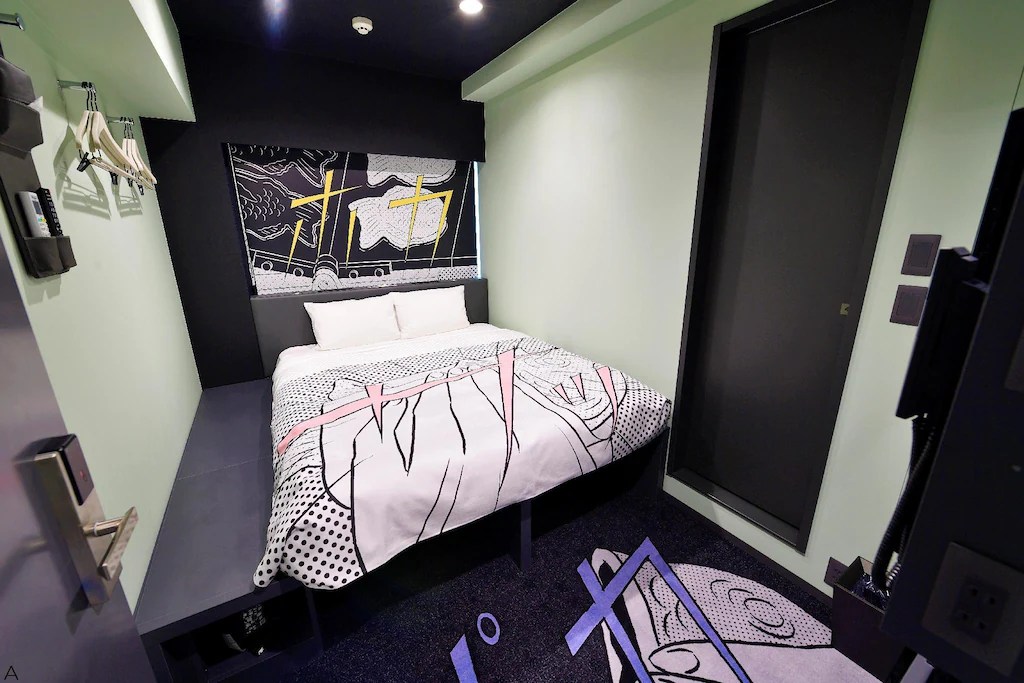
4. Kin Hotel
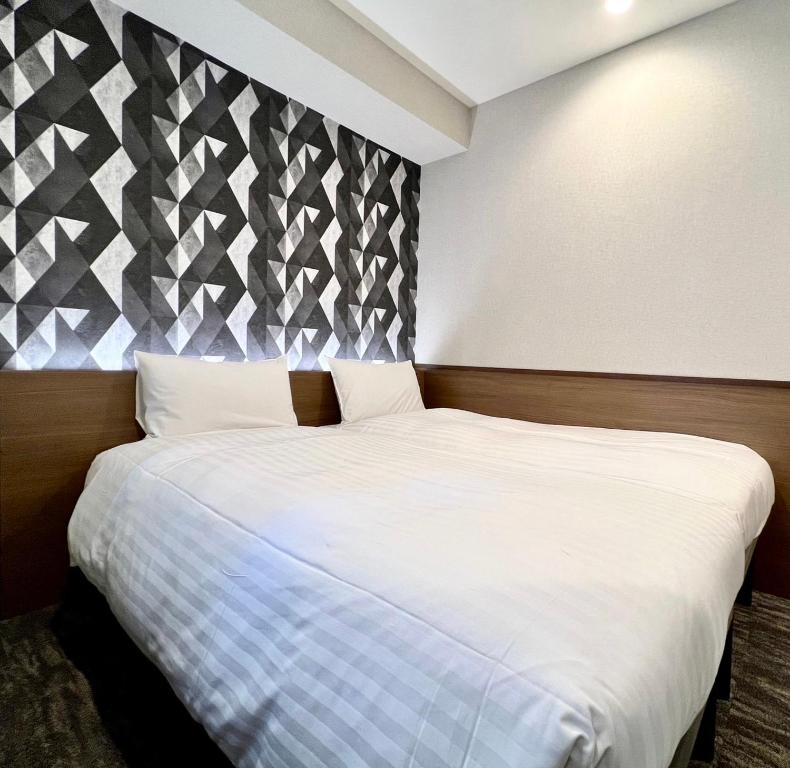
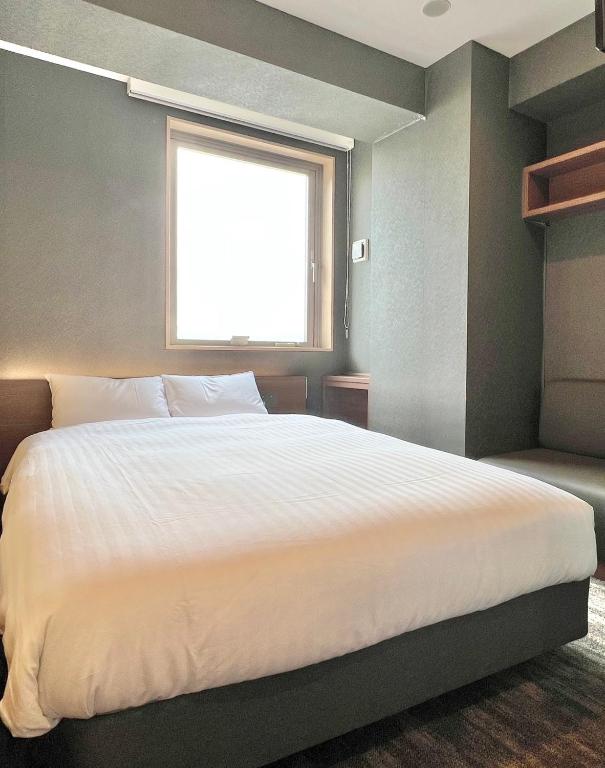
5. Hotel Wing International
To Share my final Thoughts
Choosing between Shinjuku, Shibuya, and Asakusa really depends on what you want out of your Tokyo experience.
- If you’re looking for convenience, nightlife, and endless shopping options, Shinjuku is ideal, especially if you don’t mind the crowds.
- For a more youthful, trendy vibe with iconic landmarks and great access to shopping and entertainment, Shibuya is your go-to spot.
- If you prefer a quieter, more traditional experience with easy access to Tokyo’s historical sites, Asakusa offers a more peaceful stay at a generally lower cost.
Each area has its unique benefits and drawbacks, so think about your priorities for your trip to Tokyo.
Image sources: agoda.com



 TRAVELS OF V
Leave a comment